 Why Japan?
What Happened to the Samurai?
 Told by Sophie, your guide to Japan
In the early 1870s, Japan counted close to two million people in samurai households. Within about ten years, the stipends had stopped, the swords were off the street, and “samurai” was no longer a job. Nobody had conquered them. So where did they go?
The full story
In this story
Two million people, ten years
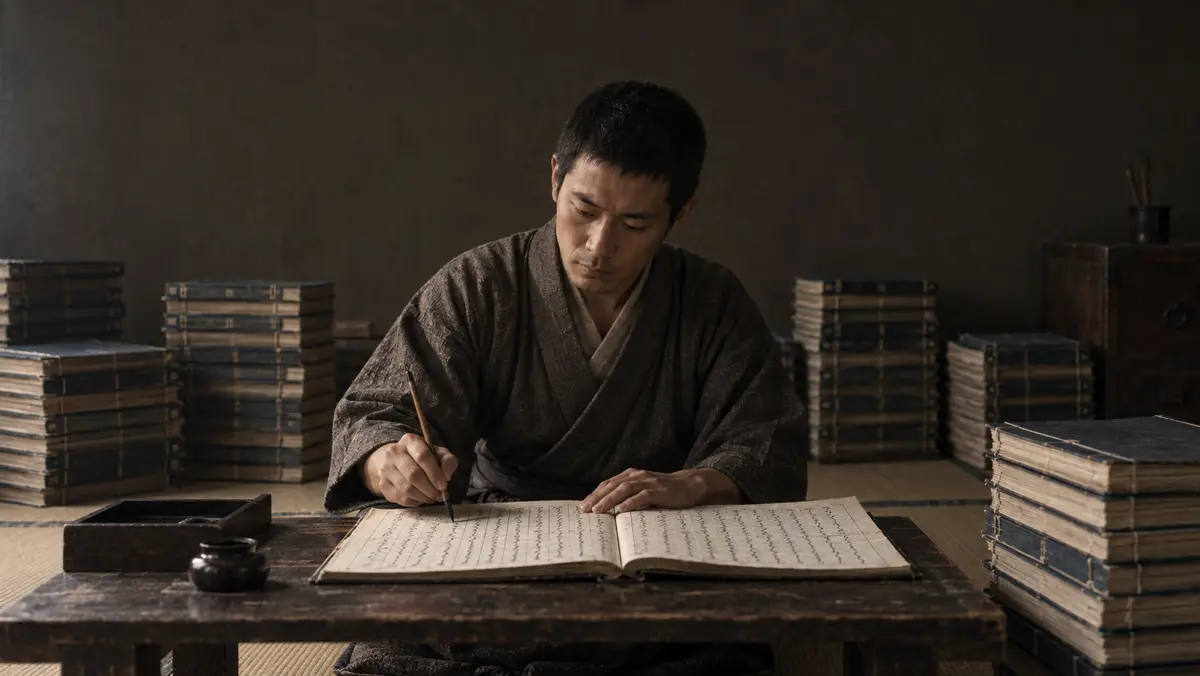
When the new Meiji government first counted them, in the early 1870s, Japan had close to two million people in samurai households. About six in every hundred. Within ten years of the old government falling, the swords were off the street, and samurai was no longer a job. No foreign army had beaten them. They had run the country for nearly seven hundred years. Two million people. Ten years.
A man born into a salary
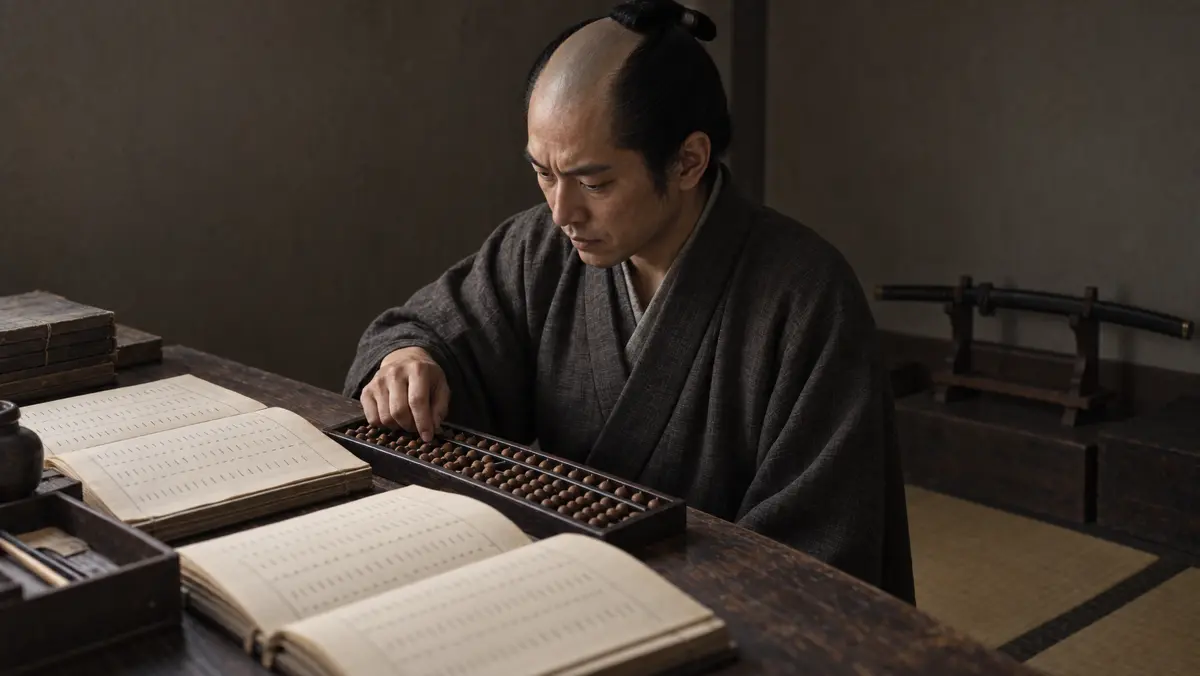
To see how that was possible, forget the battlefield. By the middle of the 1800s, Japan had gone more than two hundred years without a great war. A samurai was, in most cases, a man born into a stipend. It was reckoned in rice, paid by his domain, and passed on to his son. In return he guarded a gate, kept accounts, copied documents. Many in the lower ranks could not live on it. So at home, quietly, they took in piecework. In Edo, one company of foot guards grew morning glories. In Kōriyama, they bred goldfish. In many towns, they made umbrellas. Good ones.
A government of samurai
So when the old government fell in 1868, you might expect the samurai to be pushed out by someone else. Merchants, perhaps. Farmers. They were not. Most of the leading men in the new government were samurai themselves. Young, and above all from two domains in the far southwest, Satsuma and Chōshū, with a few court nobles beside them. They put the emperor at the centre and began rebuilding the country around him. And within a few years, these men started taking the samurai apart. Piece by piece. Starting with their own lords.
The payroll (1871)
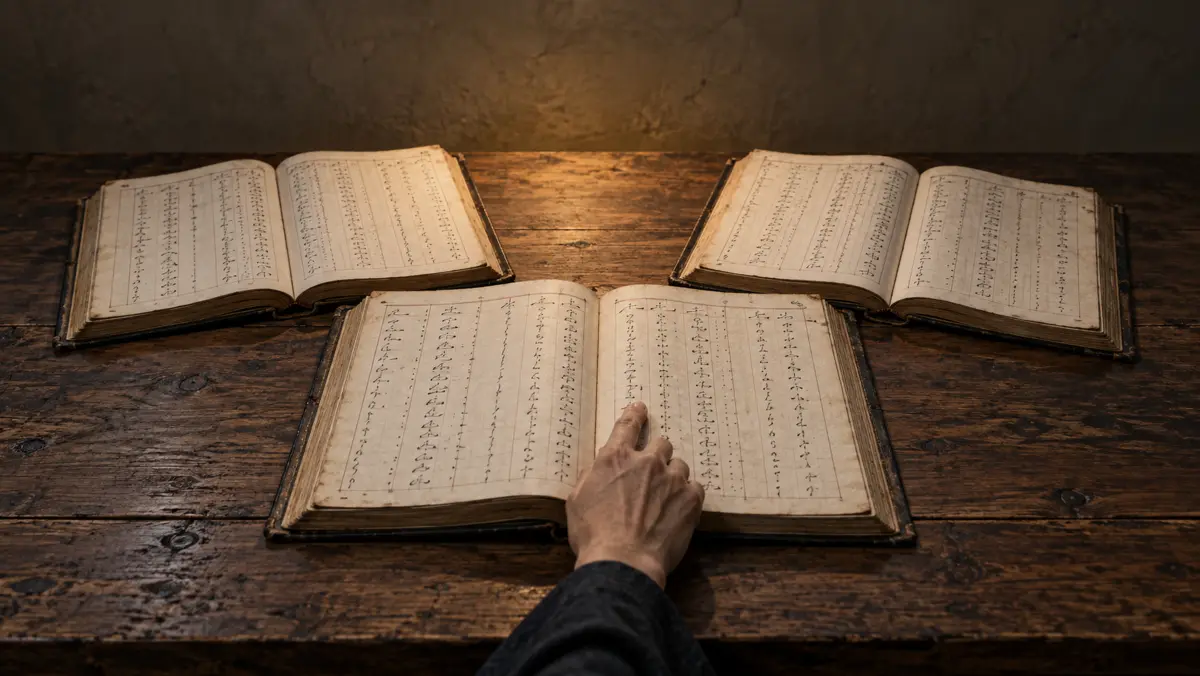
What they saw was the payroll. In 1871 the government abolished the domains. More than two hundred and fifty lords were told to move to Tokyo, and they went. Their lands became prefectures. And every stipend their samurai had been promised was now the new state's bill. It came to somewhere between a quarter and a third of everything the government spent. For men whose inherited job was to be ready for a war. And the war, when it came, was going to need someone else.
Anyone can be a soldier (1873)
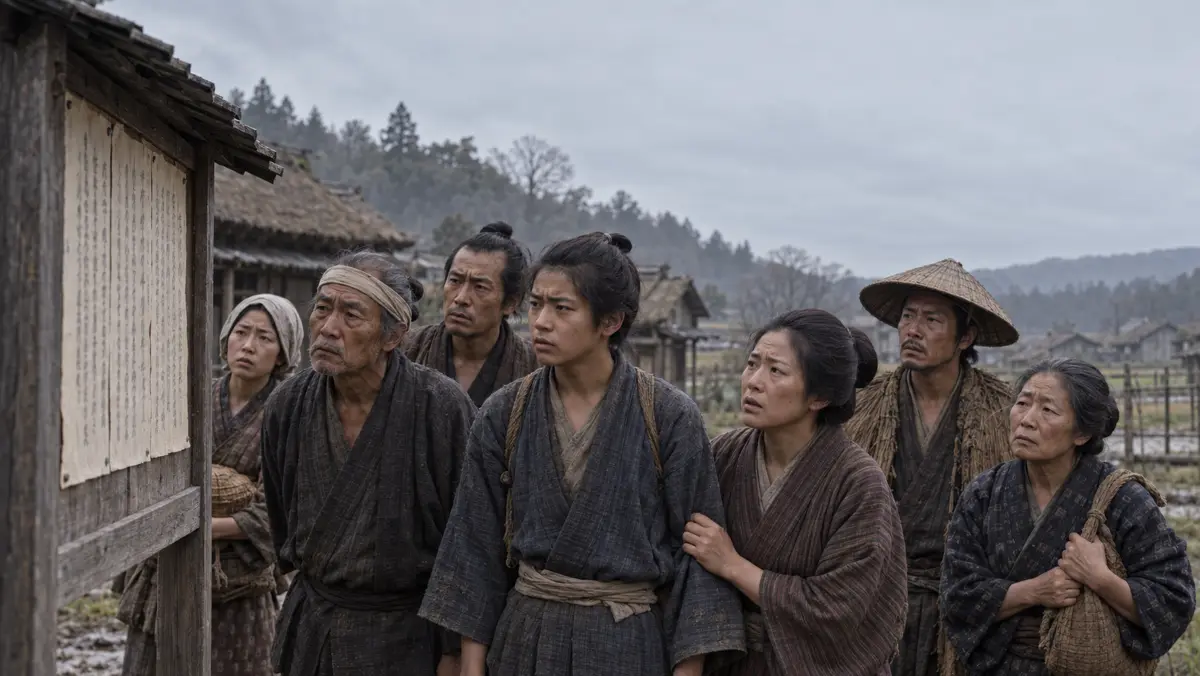
In 1873 came conscription. A man of twenty, whatever his birth, could now be called up for three years. A farmer's son could be handed a rifle and a uniform and taught to fire in a line. It took months, not a lifetime. For many samurai, this was the real ending. Their place had rested on many things, but on one above all: fighting is ours. Now fighting belonged to anyone who could be drilled. Many farmers were not pleased either. They had not asked for it.
March and August, 1876
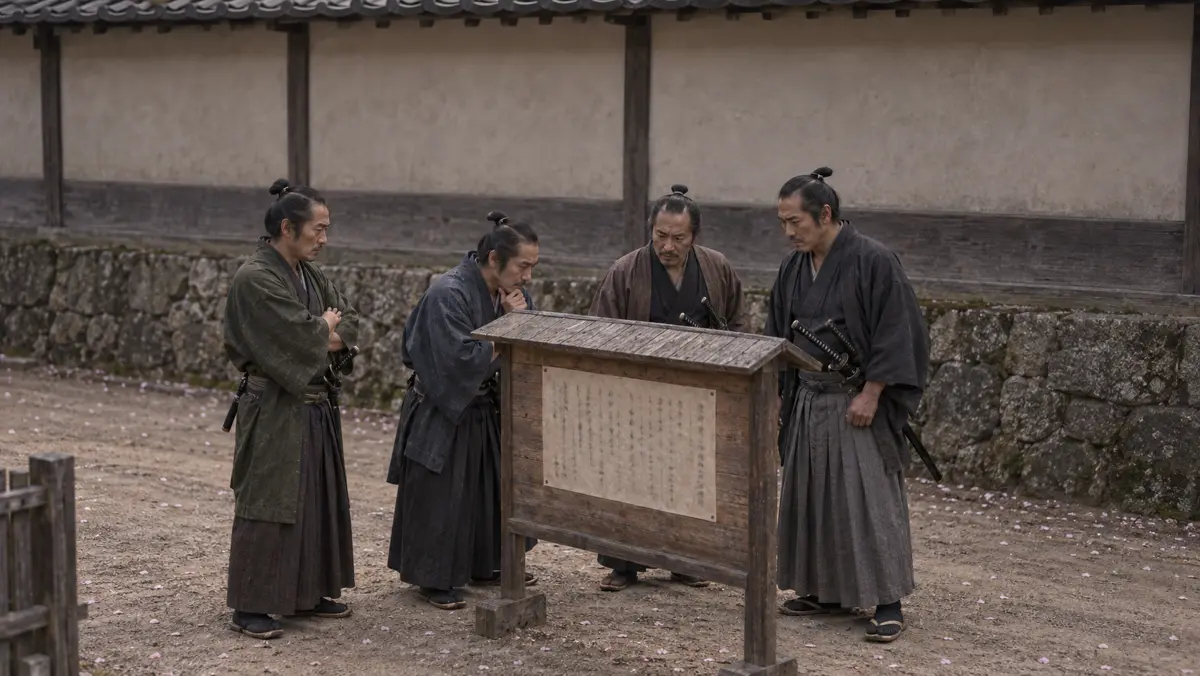
Then 1876. In March, a law took swords out of public life. Soldiers and police could wear them, and officials in full dress. Almost nobody else. In August, the stipends ended. Everyone still drawing one was handed government bonds instead, paying fixed interest each year. For the top ranks it was a fortune. For many at the bottom, the interest often came to less than a labourer could earn. The sword went in March. The salary went in August.
Another uniform
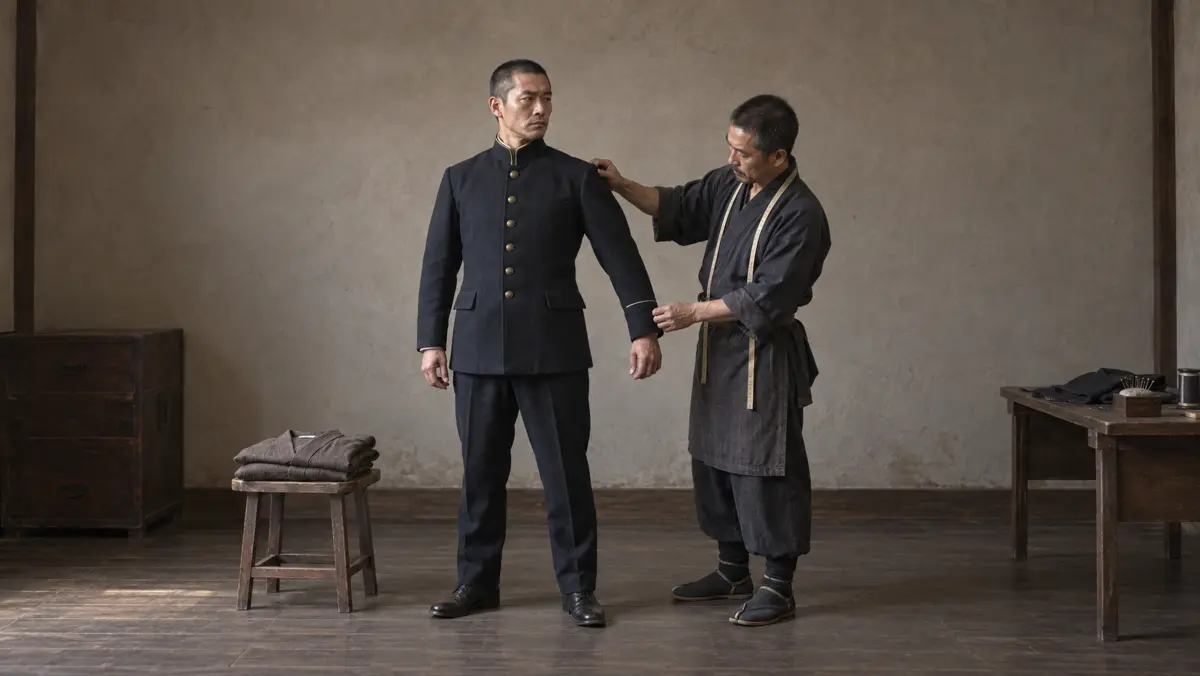
Many of them put on another uniform. When Tokyo built a modern police force in the early 1870s, it filled the ranks largely with former samurai, a great many of them from Satsuma. The new ministries needed clerks who could write a formal document. And in 1872 the government had ordered primary schools across the whole country, which meant it suddenly needed teachers by the tens of thousands. Priests taught. Commoners taught. But who in each town could already read, write, and keep a room of boys in order? Very often, the same men. The job titles changed. The desk did not.
The samurai way of doing business
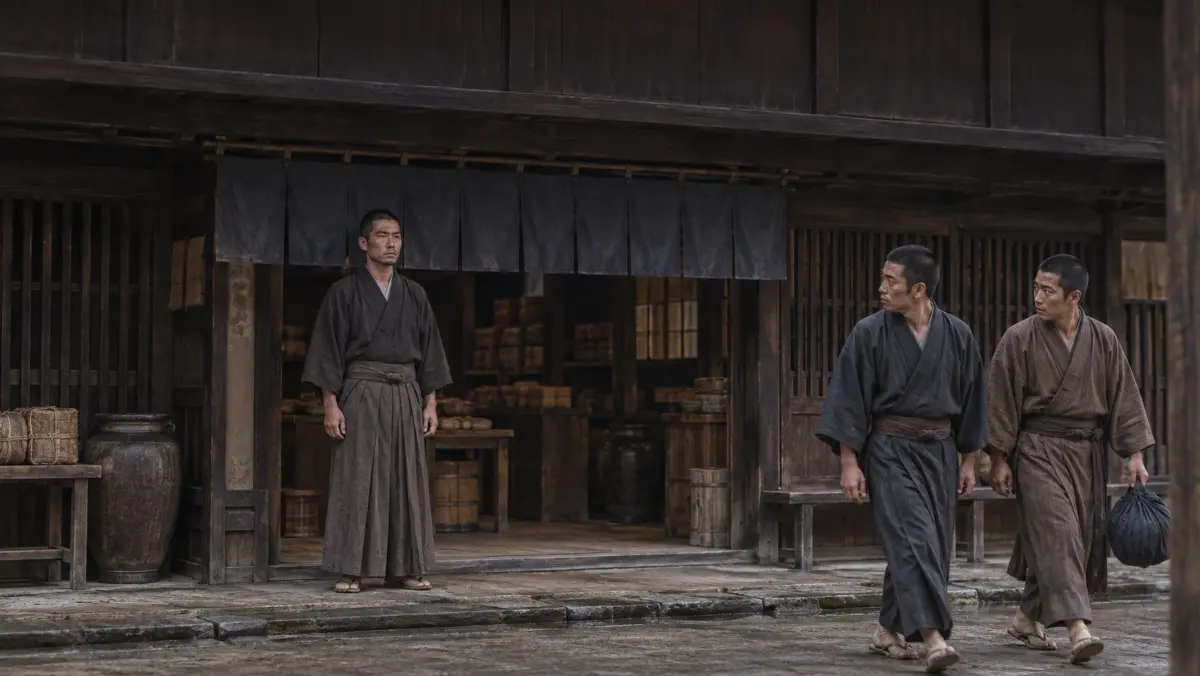
Others tried business, and it went badly enough to become a phrase. Shizoku no shōhō. The samurai way of doing business. It still means an amateur making a mess of a trade. Former samurai sold their bonds and opened sweet shops, antique shops, restaurants. Most had never sold anything to anyone, and the satire of the day shows them standing behind the counter as if the customer should bow first. Rakugo, the comic storytelling of the time, has one who opens an eel restaurant. His cook walks out. He tries to catch the eel himself. The eel leaves. He follows it.
Tea, silk and Hokkaido
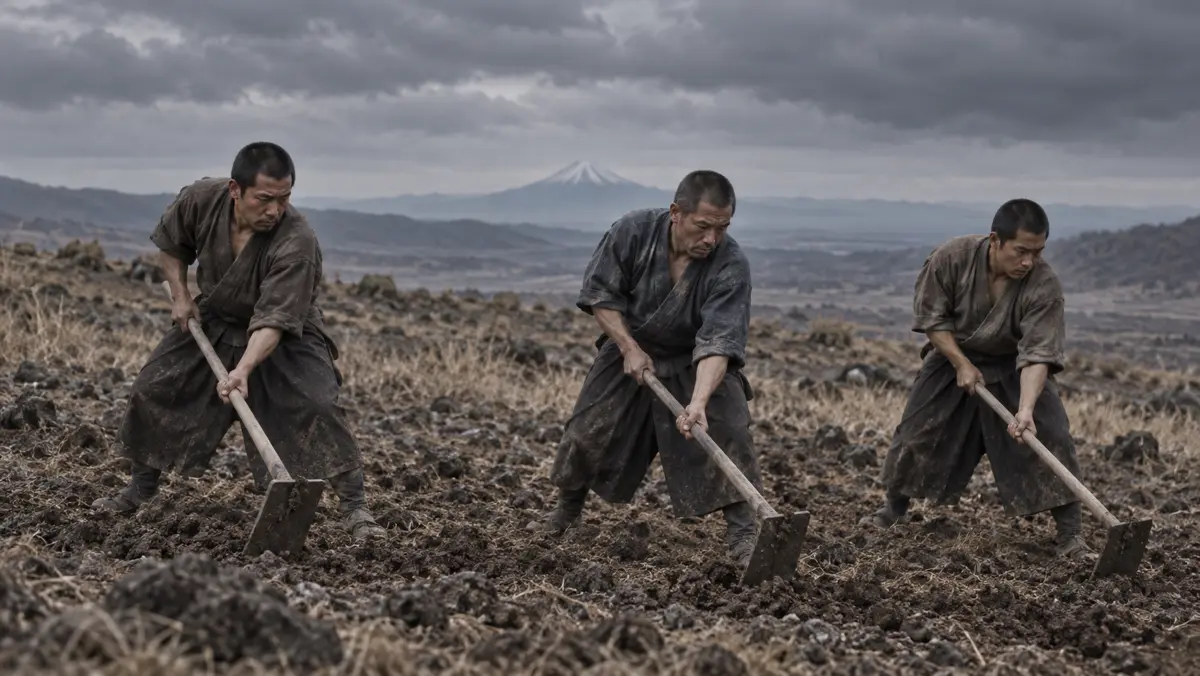
And some had not waited for the money to stop. In 1869, in Shizuoka, men who had guarded the last shogun took up hoes and opened a bare plateau called Makinohara. They planted tea. It is still one of the largest tea-growing areas in Japan. In 1872, in Gunma, daughters of samurai families were among the first workers at the state's new silk mill. From 1875, the government settled former samurai in Hokkaido as farmer-soldiers, many from northeastern domains that had lost the civil war. The stipends had not even ended yet. They could see it coming.
The ones who refused
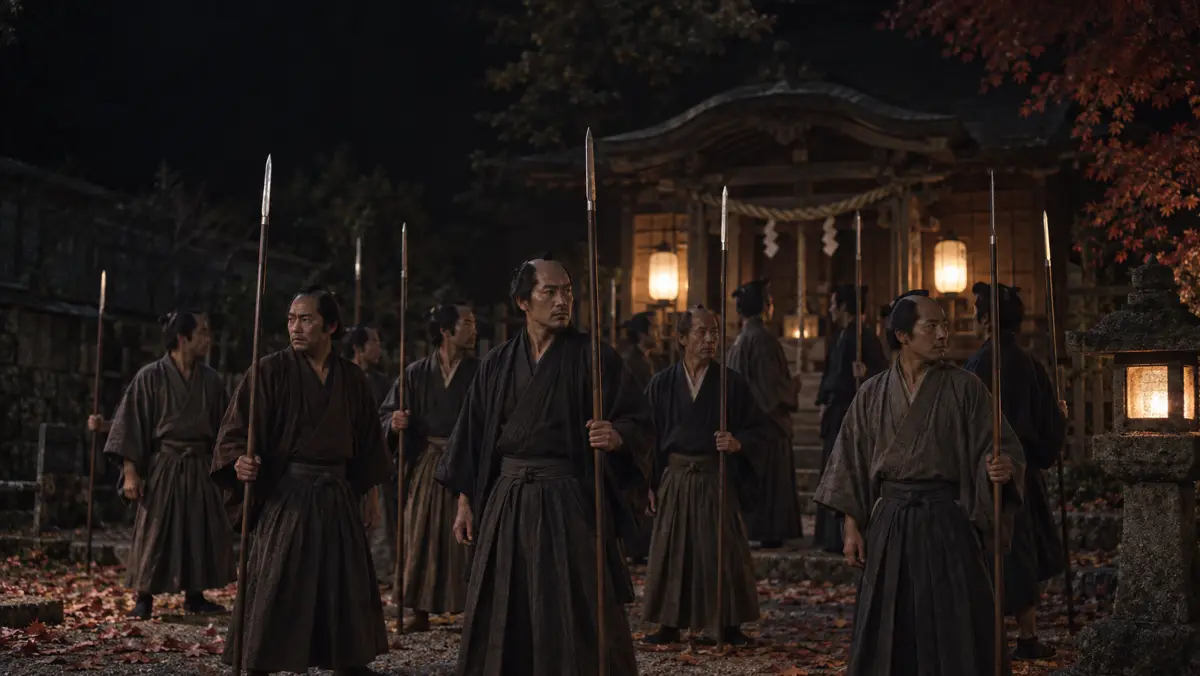
In the autumn of 1876, months after the sword ban, former samurai rose in Kumamoto, in Akizuki, in Hagi. In Kumamoto they attacked the garrison at night with swords and spears, refusing on principle to touch a gun. They were beaten by morning, and many of the survivors took their own lives. Then, in 1877, came Satsuma. Its leader was Saigō Takamori, who ten years earlier had helped bring the new government to power, and had since walked out of it. About thirteen thousand men marched out of Kagoshima with him, and more joined as they went. This was not sword against rifle. Both sides had rifles. Both sides had cannon.
Shiroyama, and a statue with a dog
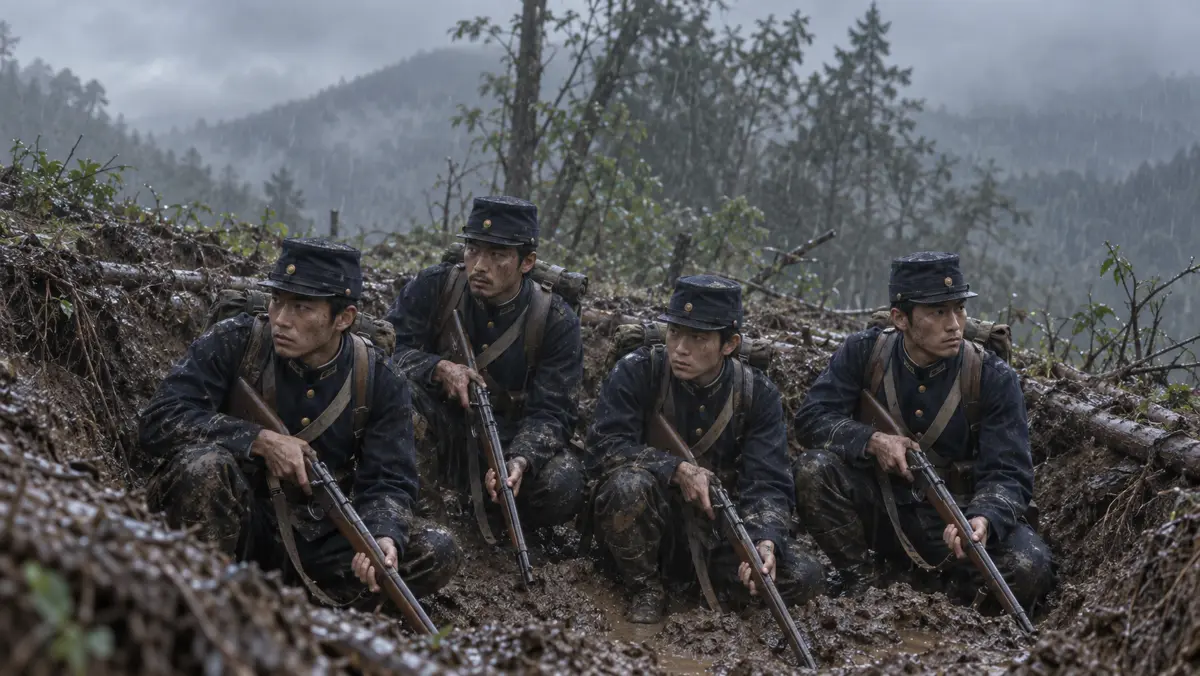
What the government had was more of everything, and an army of conscripts. The very men that many samurai had said could never be made to fight. They held. And where the fighting came down to blades, the government did something telling. It formed a sword unit out of its policemen. Many of them were former samurai, sent to cut down former samurai. By September, Saigō was on a hill above his home town with a few hundred men, surrounded by tens of thousands. It ended there in a morning. No one tried it on that scale again. Twenty-one years later, Tokyo put up his statue. He is in a plain robe, walking his dog.
So where did they go?
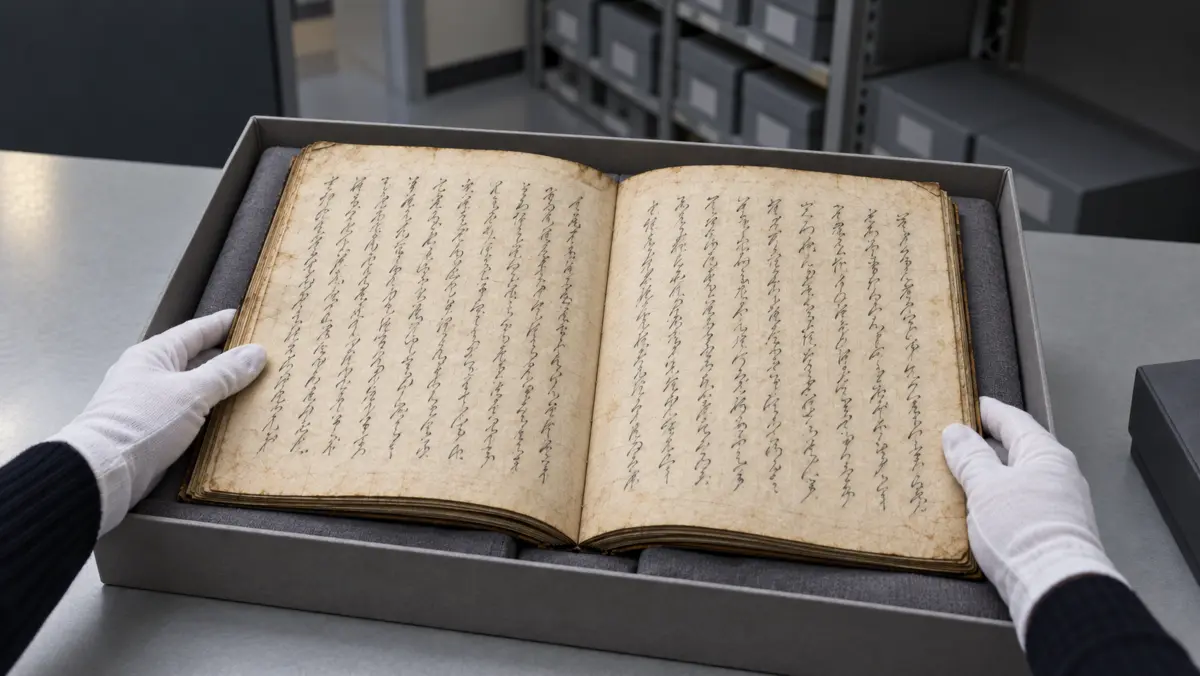
So where did the samurai go? Nowhere. Their legal label, shizoku, kept a footing in law until 1947, long after it meant anything. The people had already become policemen, teachers, clerks, tea farmers. Their great-great-grandchildren are on the morning train, and many have no idea what rank the family held. But one thing did grow after they were gone. Around 1900, the son of a samurai, living in America, wrote a book in English explaining the samurai soul to the world. The men had gone. The image was only beginning to travel.
Enjoyed the story? Sophie answers a new question about Japan every few days on YouTube.
Subscribe on YouTube

