 Why Japan?
Why Did Japan Have Two Rulers?
 Told by Sophie, your guide to Japan
For most of the last eight hundred years, Japan had an emperor in Kyoto and a shogun in the east. Neither one simply abolished the other. Sophie follows the strange history of a title that began as a temporary command against a frontier people, passed through child shoguns and regents who governed in their name, was rebuilt by the Tokugawa, and was handed back in 1867 — while the court that granted it is still there.
The full story
In this story
- A shogun in the waiting room
- The warrior government in the east
- A temporary title
- After Yoritomo
- Shoguns who were children
- The Ashikaga and the wars
- Ieyasu rebuilds the title
- Laws, marriages, and the road to Edo
- The council that ran the country
- The black ships
- The last shogun hands it back
- A symbol, and an era name
A shogun in the waiting room
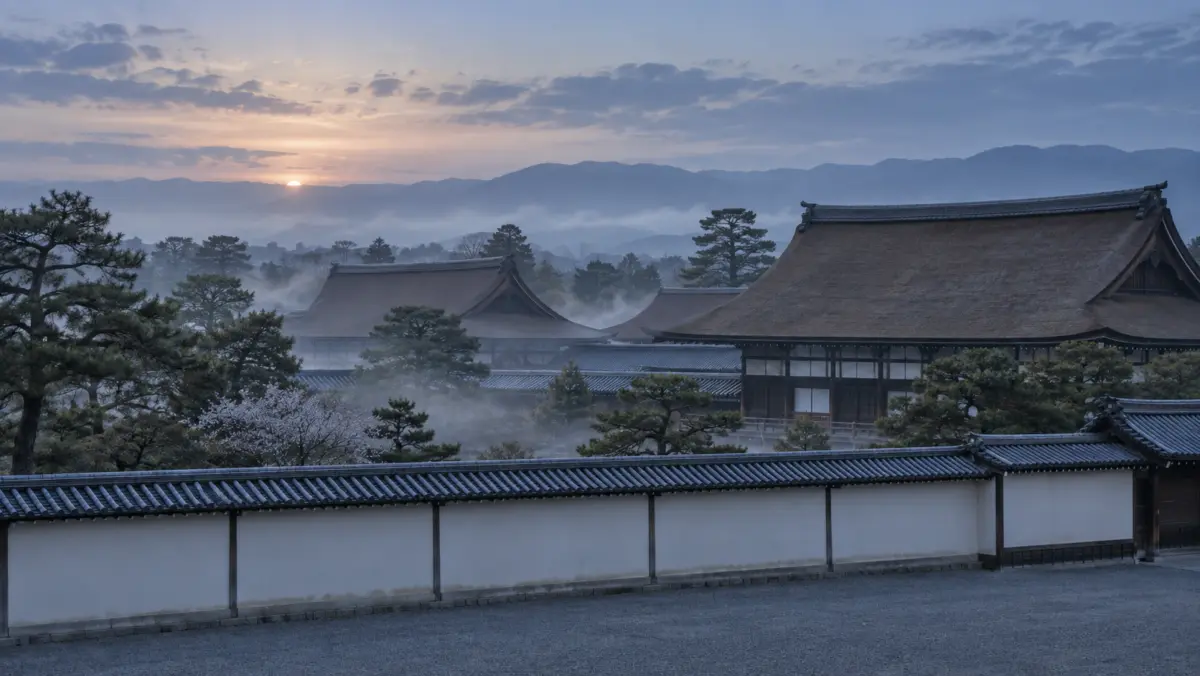
A waiting room, today. A shogun in full dress sits with a numbered ticket and a lacquered document box. His paperwork comes from Kyoto. Around the year 1200, the imperial court in Kyoto still decides what the year is called. It names each era, and people across the country date their letters by it. Yet the man on the throne is often a child, and the family's power is held by an emperor who has already retired. Out in the provinces, more and more fighting men answer to warrior houses. The court's reach is shrinking. Its authority still counts.
The warrior government in the east
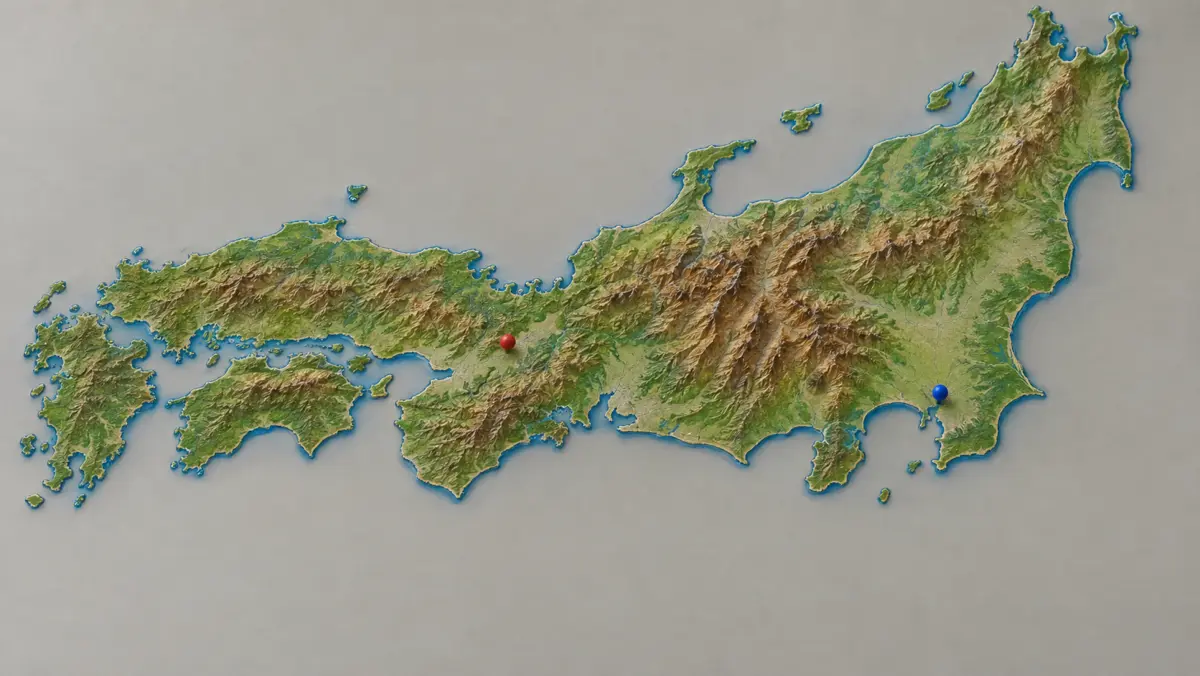
Far to the east, in Kamakura, a warrior government holds the other kind of power. Its leaders command vassals, oversee estates, and settle quarrels between warriors. The title that came to stand for that authority is shogun.
A temporary title
The full title is sei-i taishogun. It began centuries earlier as a temporary command. A general was sent north to fight the Emishi people on the frontier, and released when the campaign ended. In 1192, the court gave that old title to Minamoto no Yoritomo, who was already building a warrior government at Kamakura. His two sons held the office after him, and then his line ended. The title did not. Other warrior houses took it up and remade it. It was meant to be temporary. It was still in use seven hundred years later.
After Yoritomo
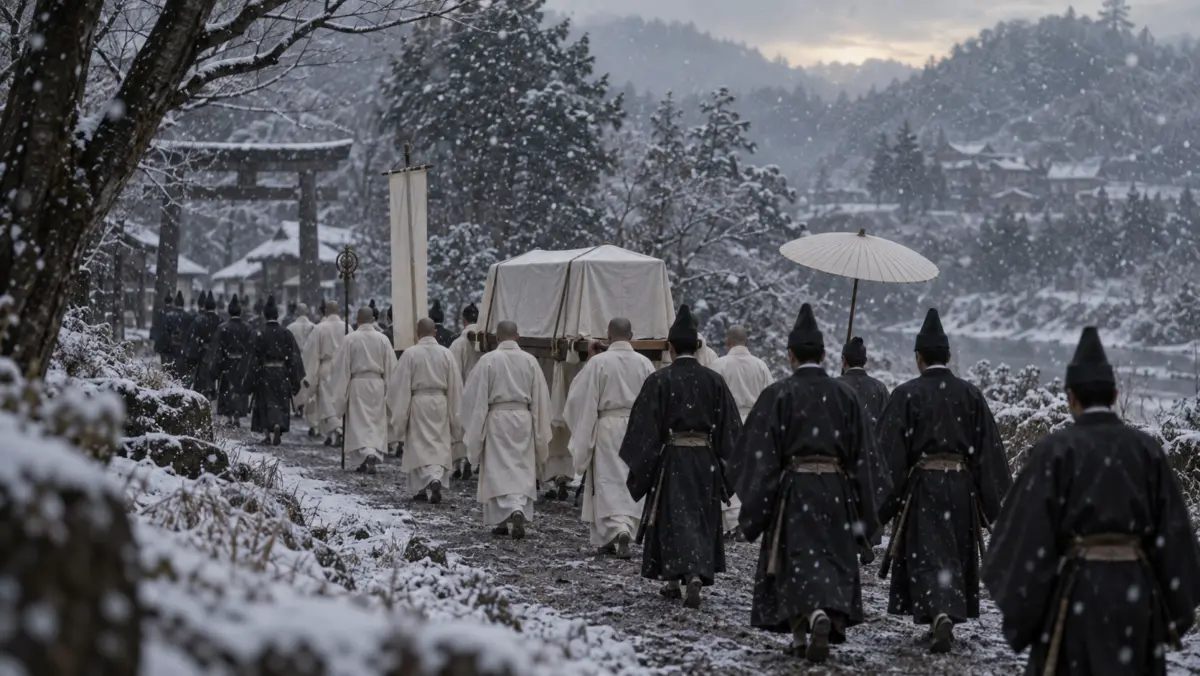
Within twenty years of his death, both of the sons who followed him were dead. One was pushed aside and killed. The other was cut down on the steps of a shrine by his own nephew. Power stayed with the family of Yoritomo's widow, the Hojo, who held the post of regent to the shogun. They never became shogun themselves. They decided who did. The appointment still came from Kyoto.
Shoguns who were children
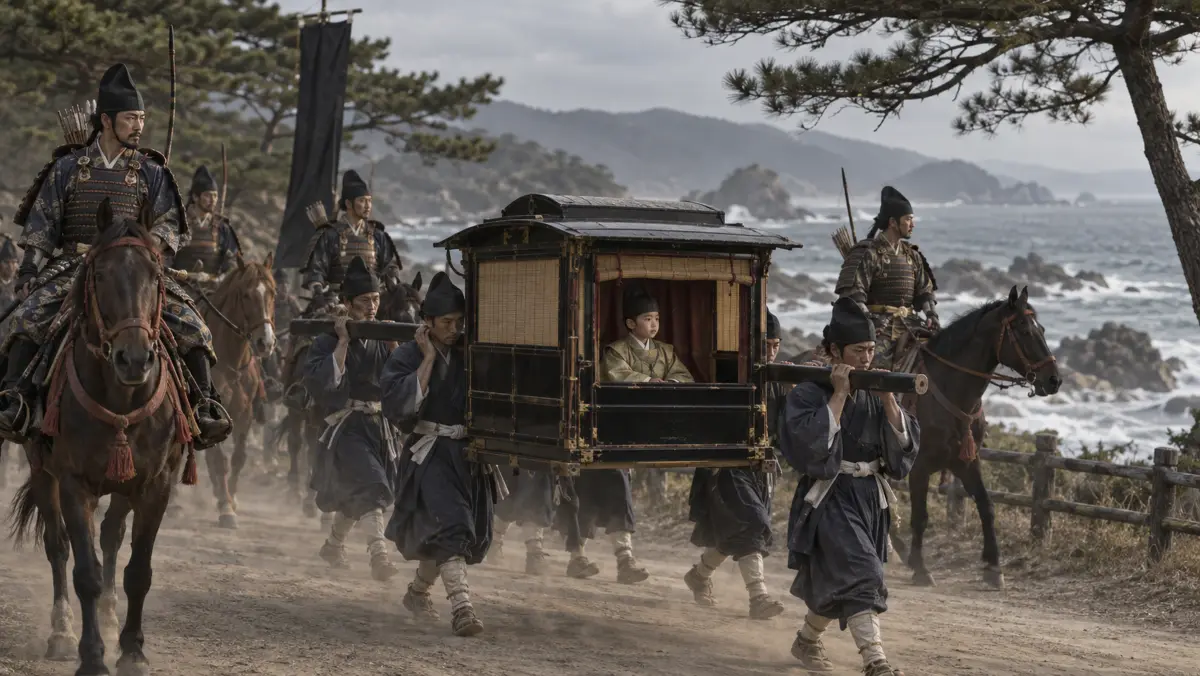
And the men they chose were sometimes children. A small boy from a noble house in the capital, and later a prince of the imperial family, would be brought east, installed at Kamakura, and treated with great ceremony. Who decided? Usually the regents, in his name. So orders went out across Japan in the name of a boy, from a regent, under a title granted by an emperor. Some were sent home when they grew up.
The Ashikaga and the wars
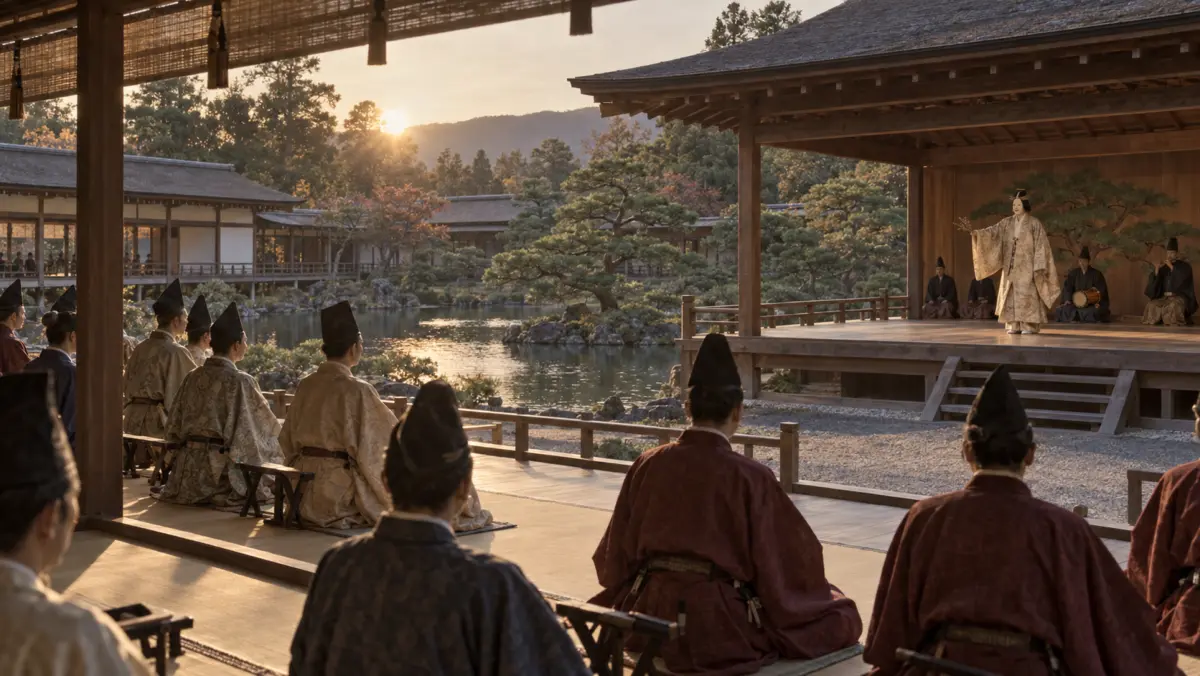
Two hundred years later the title belonged to the Ashikaga family, who ruled from Kyoto, and for a time they held it firmly. Then, in 1467, a quarrel over the next shogun tangled with the rivalries of the great houses. Kyoto burned, on and off, for ten years. The shogun could not protect his own capital. Many lords stopped waiting for his orders and acted on their own. About a century later, the warlord Oda Nobunaga drove the last Ashikaga shogun out of Kyoto. He kept the title on paper for years afterwards, with nothing to use it on.
Ieyasu rebuilds the title
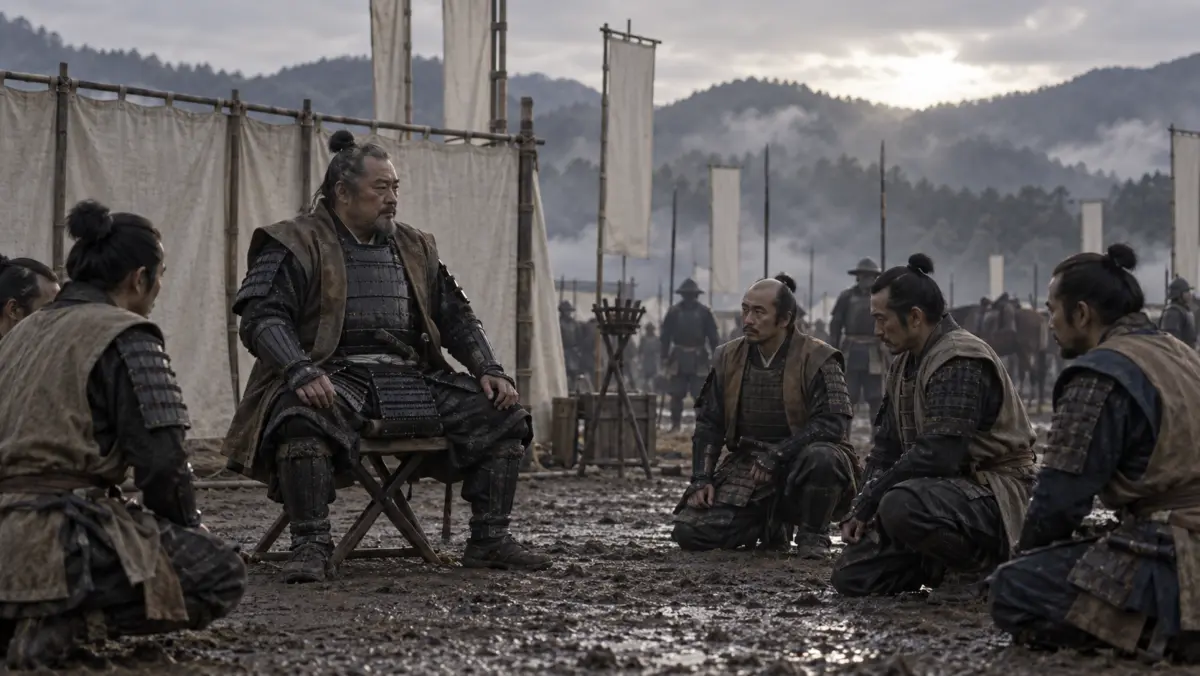
The man who put the title back together was Tokugawa Ieyasu. He won the country in war, and in 1603 the court appointed him shogun. Two years later, he stepped down and had his son appointed in his place, so the title would pass from father to son. Then, rather like a retired emperor, he stayed the dominant figure until he died. The appointment still came from Kyoto.
Laws, marriages, and the road to Edo
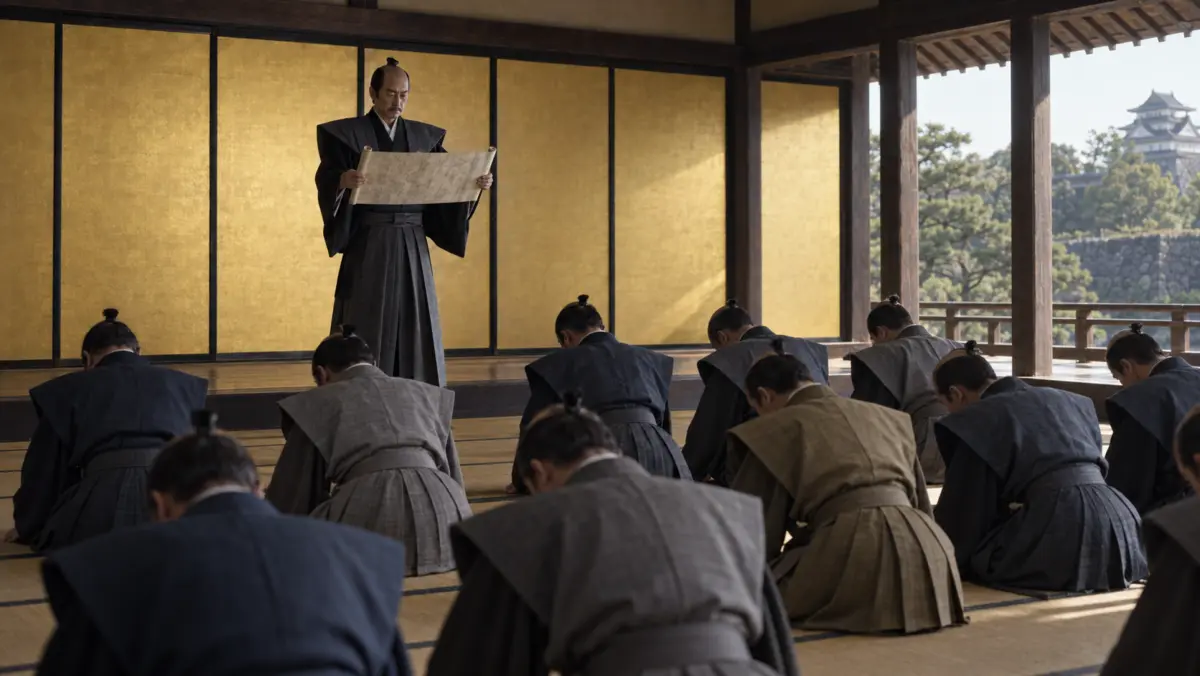
Then came the rules. Laws for the warrior houses limited who could build or repair a castle, controlled marriages between the great families, and set rules for how lords and their retainers behaved. A separate law told the emperor what came first: scholarship. And by the 1640s, most lords had to alternate: a year in Edo, then a year at home, with their wives and heirs generally staying in Edo year-round. The journey, the second household, the parade of retainers along the road: all of it paid for by the lord.
The council that ran the country
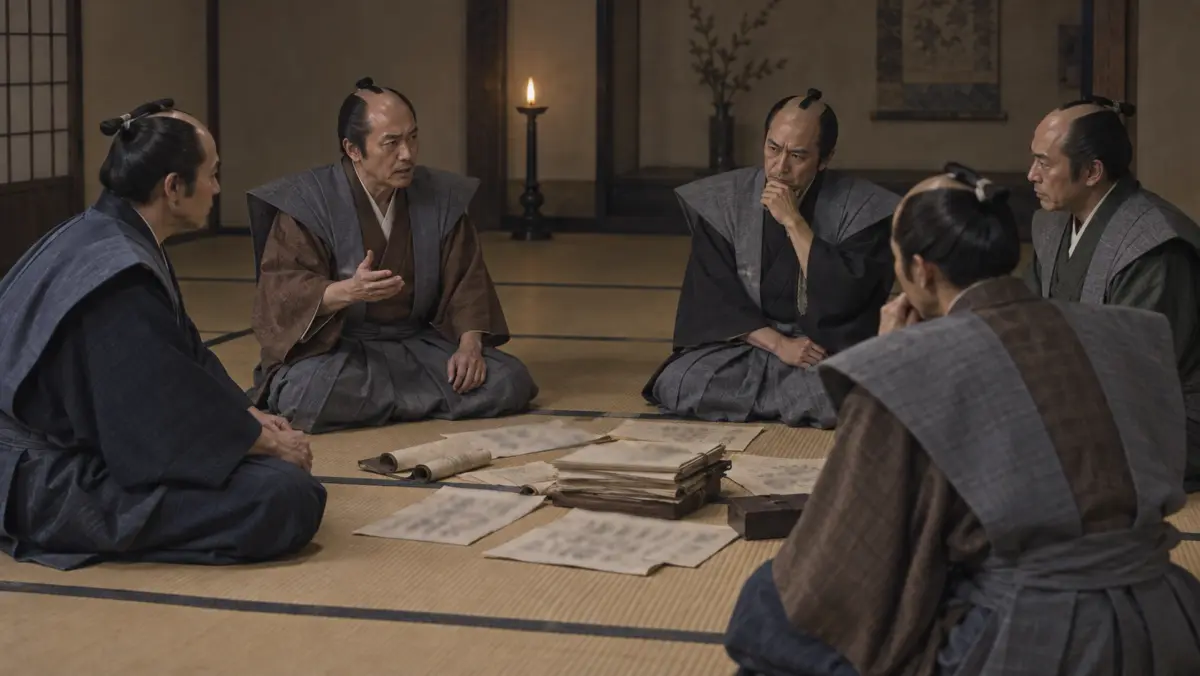
Once again, the name on the orders was not always the hand behind them. Much of the daily work was handled by a council of senior retainers, with offices and inspectors under them. Some shoguns ruled hard and changed the country. One was given the title as a small child and died before he was ten. The offices carried on either way.
The black ships
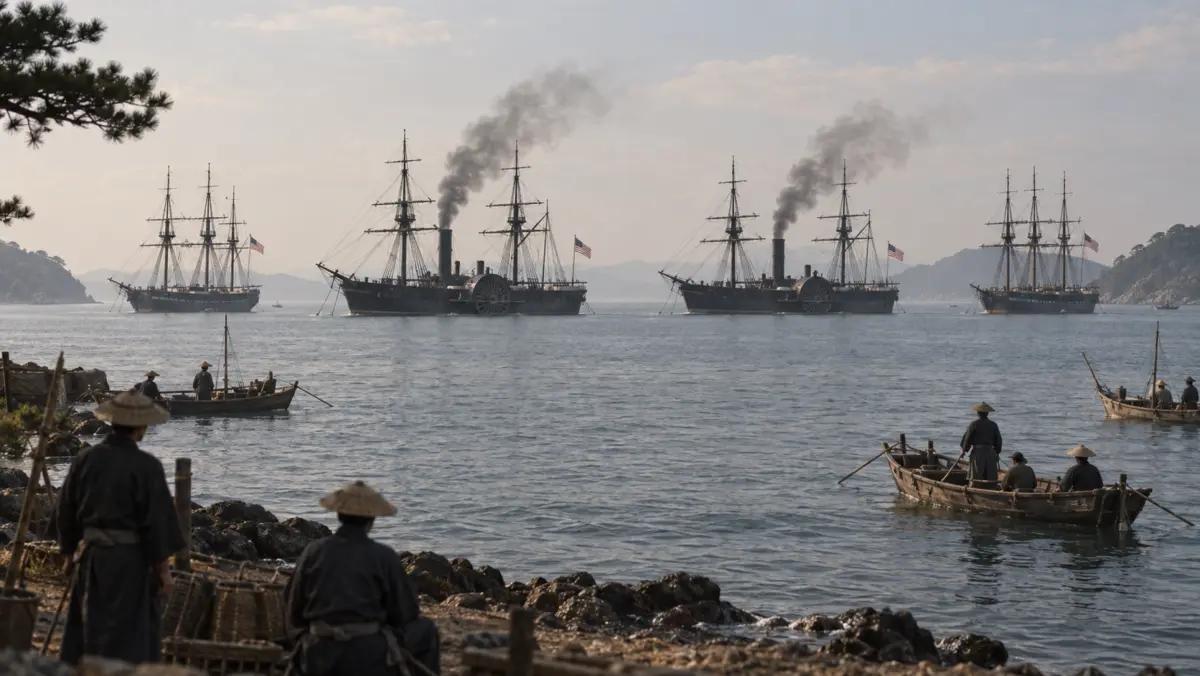
In 1853, American warships anchored in the bay near Edo and demanded that Japan open its ports. The shogunate was not certain it could refuse, and not certain it could agree. It sent the American demands out to the lords for their opinions, and it drew the court in Kyoto into a question of foreign policy. Five years later, it asked the emperor to approve a treaty. He refused. The treaty was signed anyway.
The last shogun hands it back
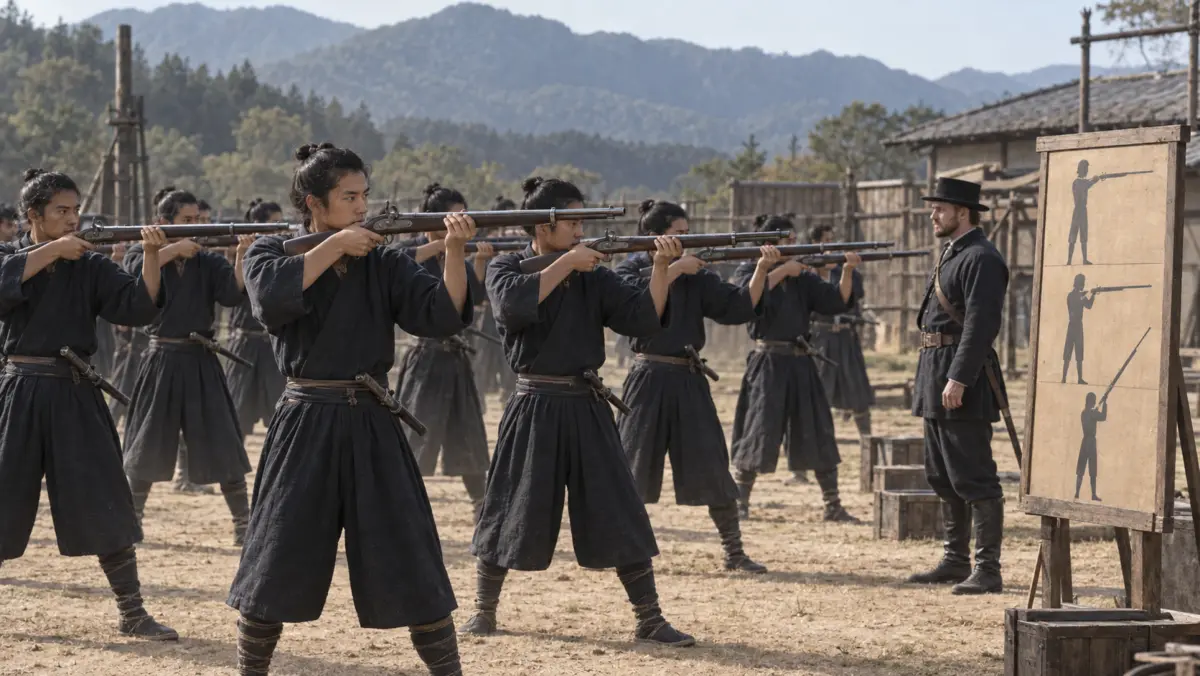
That refusal joined a wider crisis: the powerful western domains, and quarrels inside the shogunate itself. Men began to act, and to kill, in the emperor's name. In 1867, the last shogun returned governing authority to the court, while hoping to keep a place for his house in what came next. He had held the title for less than a year. War followed in 1868, and his side lost. That year, a teenage emperor travelled from Kyoto to Edo, and the city was renamed Tokyo.
A symbol, and an era name
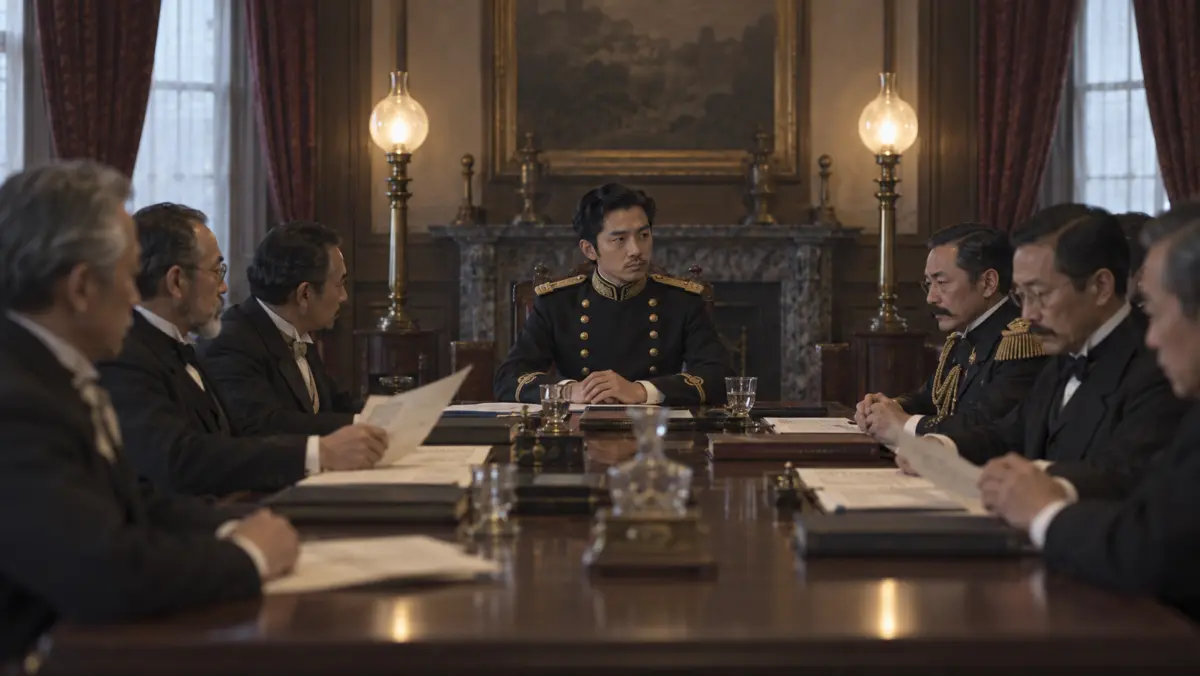
The new state put the emperor at its centre. Under the constitution of 1889, sovereign power was formally his, while government ran through ministers, an assembly, and the military. After the war, a new constitution took effect in 1947. It calls the emperor a symbol, with no powers in government. Today he plants rice in the palace grounds, receives visitors, and performs the ceremonies. In Kyoto, compare the old imperial palace with Nijo Castle, the Tokugawa base in the same city. Earth walls for the court. Stone and a moat for the shogun. In Tokyo, look at the Imperial Palace moats. They are Edo Castle's. The emperor lives behind the shogun's walls. One important reason no shogunate abolished the court: it was where a shogun's title, and his legitimacy, came from. Era names are still used across Japanese official forms. The one in use now began when he came to the throne. The borrowed title is gone. The name it was borrowed from is still here.
Where to see it
- Kamakura, Kanagawa — Seat of the first warrior government, far to the east of the emperor’s court in Kyoto. Google Maps
Enjoyed the story? Sophie answers a new question about Japan every few days on YouTube.
Subscribe on YouTube

