 Why Japan?
Why Does Japan Still Use So Much Cash?
 Told by Sophie, your guide to Japan
Why does Japan still use so much cash? Visitors meet cash-only signs and coin purses that will not close. Yet by the government's measure, card, phone and other cashless payments came to about 58% of household spending in 2025. The strange part: in 2024, Japan's notes and coins in circulation were worth about a fifth of its yearly output, against under a tenth in the US and under 1% in Sweden. Sophie follows where that paper went: ten-thousand-yen notes, a good part of them kept as savings through decades of near-zero interest; lost cash that often finds its way home in Tokyo; a small ramen shop weighing card fees and dozens of payment brands; a ¥10 billion app giveaway that ran out in ten days; and the 2018 Hokkaido blackout, when card and phone payments often failed and cash still worked. Plus what a visitor should carry.
The full story
In this story
One Note, One Machine
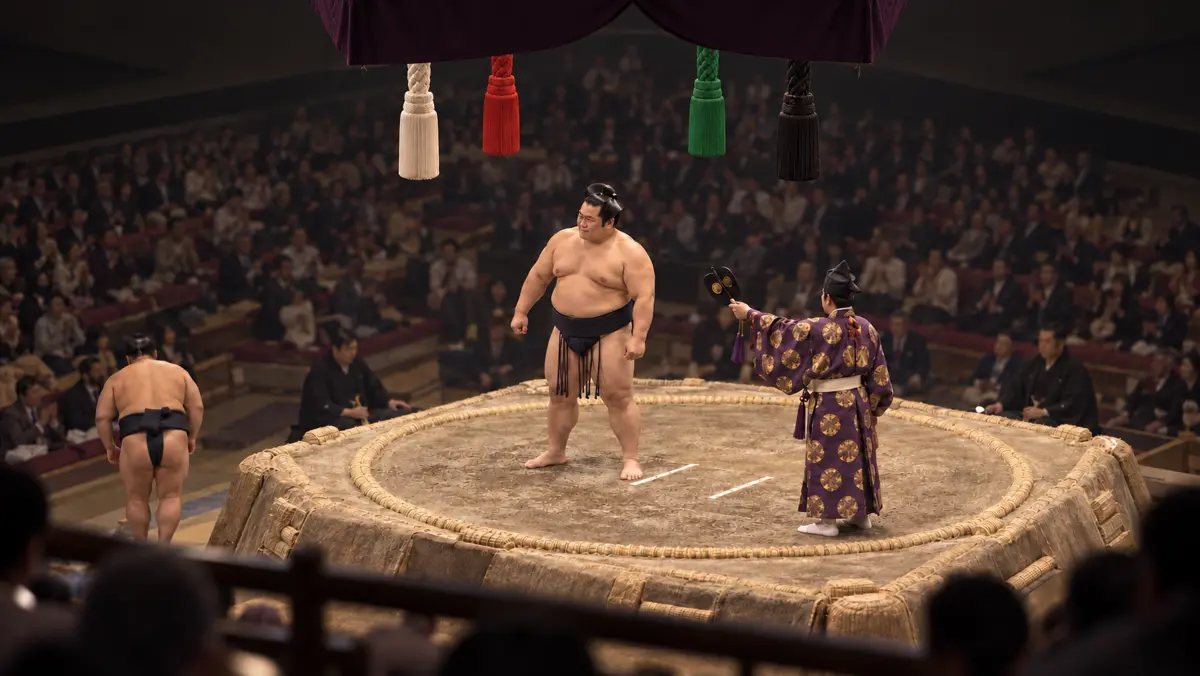
Evening in Tokyo. A young sumo wrestler has just won his bout. On the ring, he took his prize envelope with three small chops of the hand. Now he wants the largest bowl of ramen, from a ticket machine that only takes thousand-yen notes. In his envelope is one ten-thousand-yen note. Behind him, a visitor from abroad holds up a phone. There is nowhere to tap it. One of them has too much cash. The other has none. Many visitors meet this early: a cash-only sign by a door, a coin purse that will not close. It looks like a country that never let go of paper. The numbers say something odder.
Fifty-Eight Percent
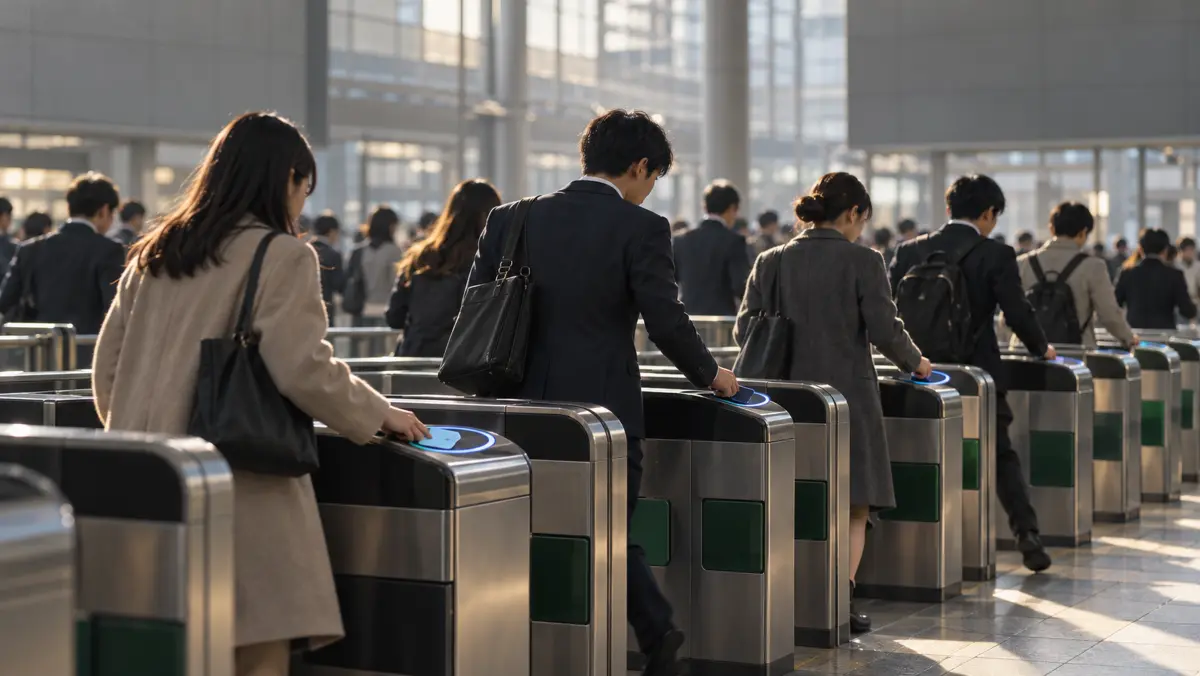
So is Japan still a cash country? The government measures the other side. In 2025, card, phone and other cashless payments came to about fifty-eight percent of household spending, by its measure. More than half. Most of that was credit cards.
A Mountain of Paper
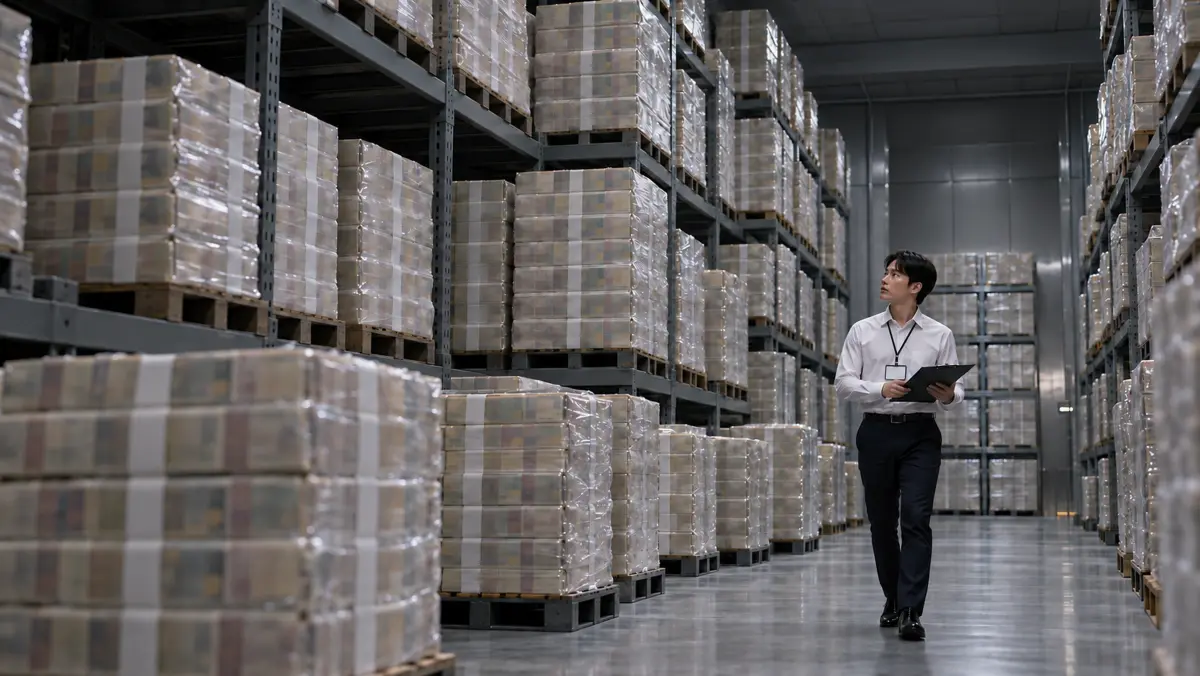
Then the strange part. Japan still holds a mountain of cash. In 2024, the notes and coins in circulation were worth about a fifth of everything Japan produced that year. In the United States, under a tenth. In Sweden, under one percent. Japan pays with cards more and more. It has not stopped keeping paper.
Not Bus Fare
Not in the banks, mostly. In 2025, a deputy governor of the Bank of Japan said only about ten percent of the notes were sitting in bank branches and cash machines. And look at which notes. The ten-thousand-yen note carries about ninety-three percent of all banknote value. It makes awkward bus fare. A good part of it is savings. Our wrestler's is dinner.
Tansu Yokin
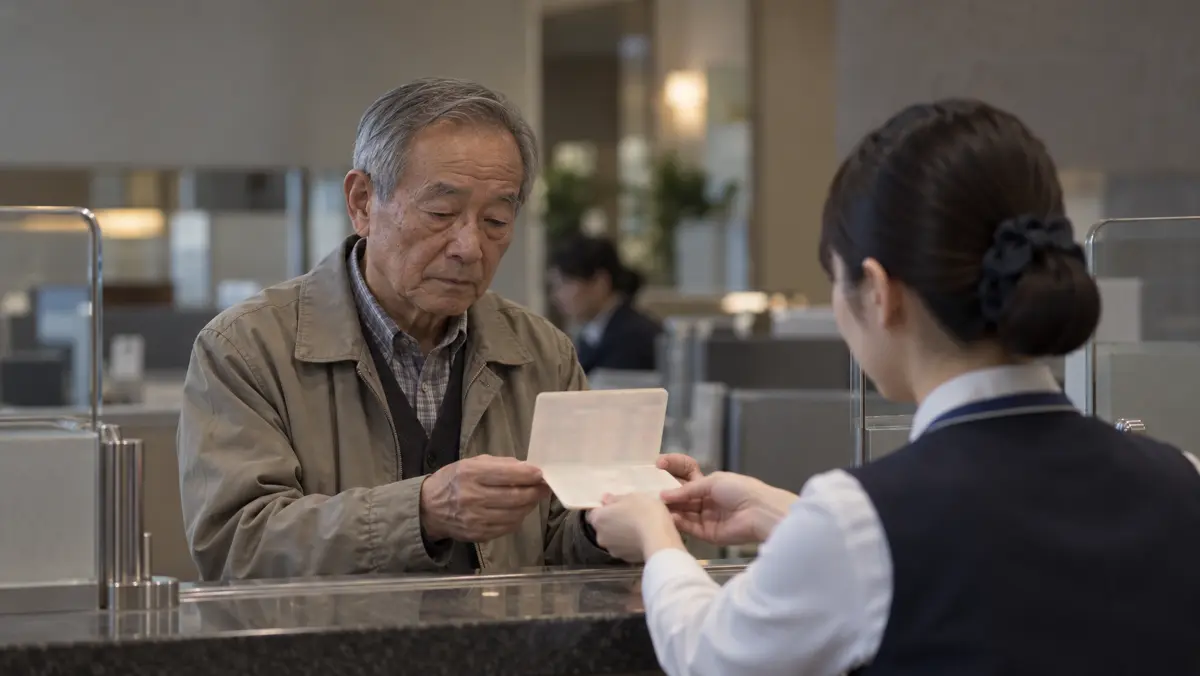
Why keep savings in paper? For decades, a bank paid almost nothing for it. The Bank of Japan first cut its key rate to zero in 1999, and rates stayed near zero for most of the years since. With prices barely rising, a note in a drawer lost very little. There is a word for that money: tansu yokin, savings in the chest of drawers. Nobody can count it. One private estimate put it at about fifty trillion yen in 2024.
Lost Cash Often Comes Home
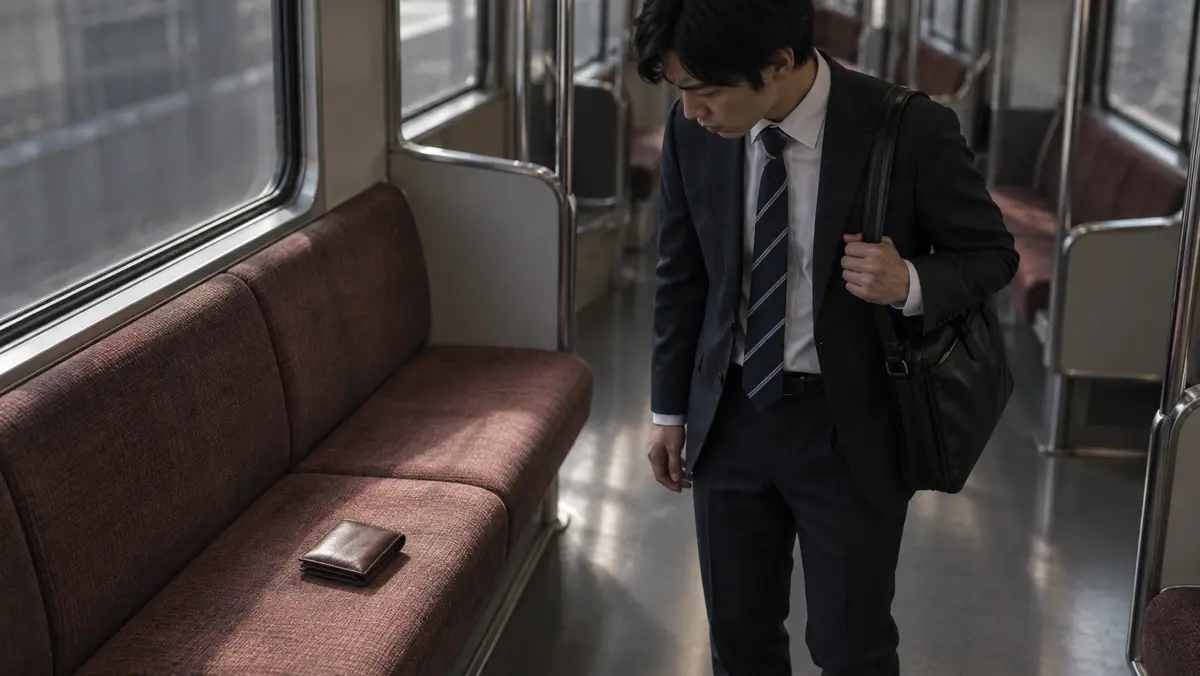
Carrying cash around is another test. In 2025, people handed about four and a half billion yen in lost cash to the Tokyo police. Of the cash the police finished handling that year, about seventy-two percent went back to its owner. Not all of it. Still, in Tokyo, lost cash often finds its way home. Our wrestler steps aside and offers the visitor the machine. The visitor bows and stays put. The queue grows, politely.
The Shop's Sums
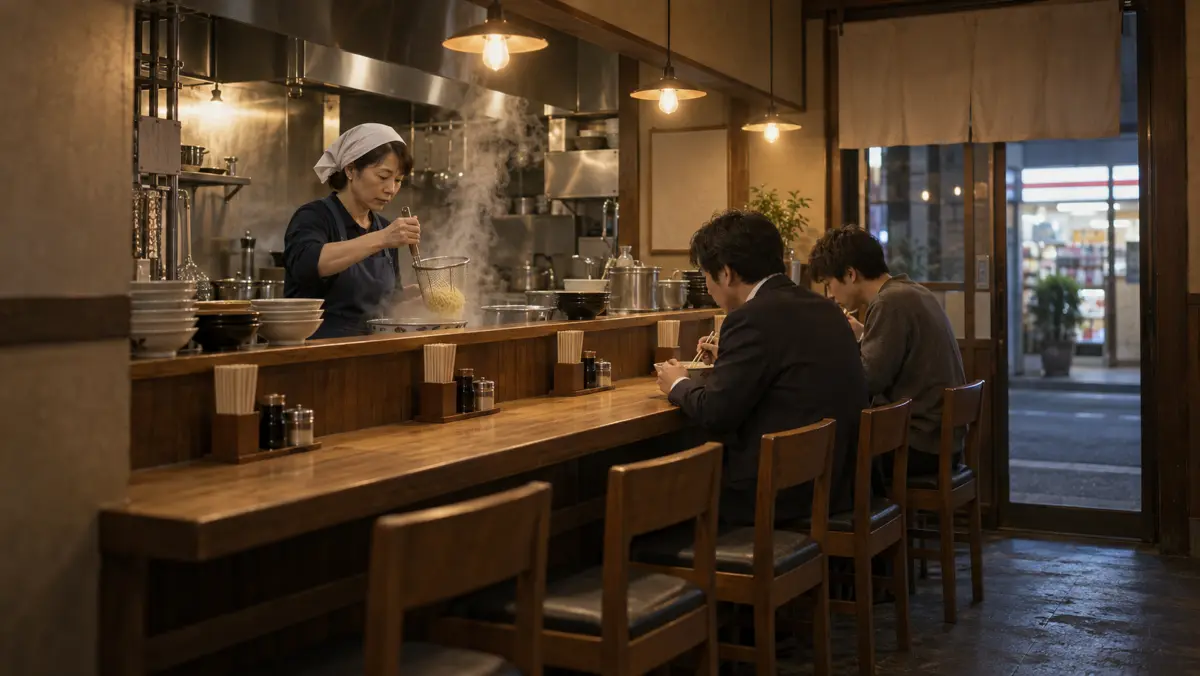
Picture the ramen shop itself. Six seats, one owner, a bowl for about nine hundred yen. Cash costs her time: counting change, taking it to the bank. But that is a cost she already pays. A card or phone sale usually costs her a fee, often around two percent, and the money may arrive later. If a day's hundred bowls all go cashless, she watches nearly two thousand yen go.
Seventy Ways to Pay
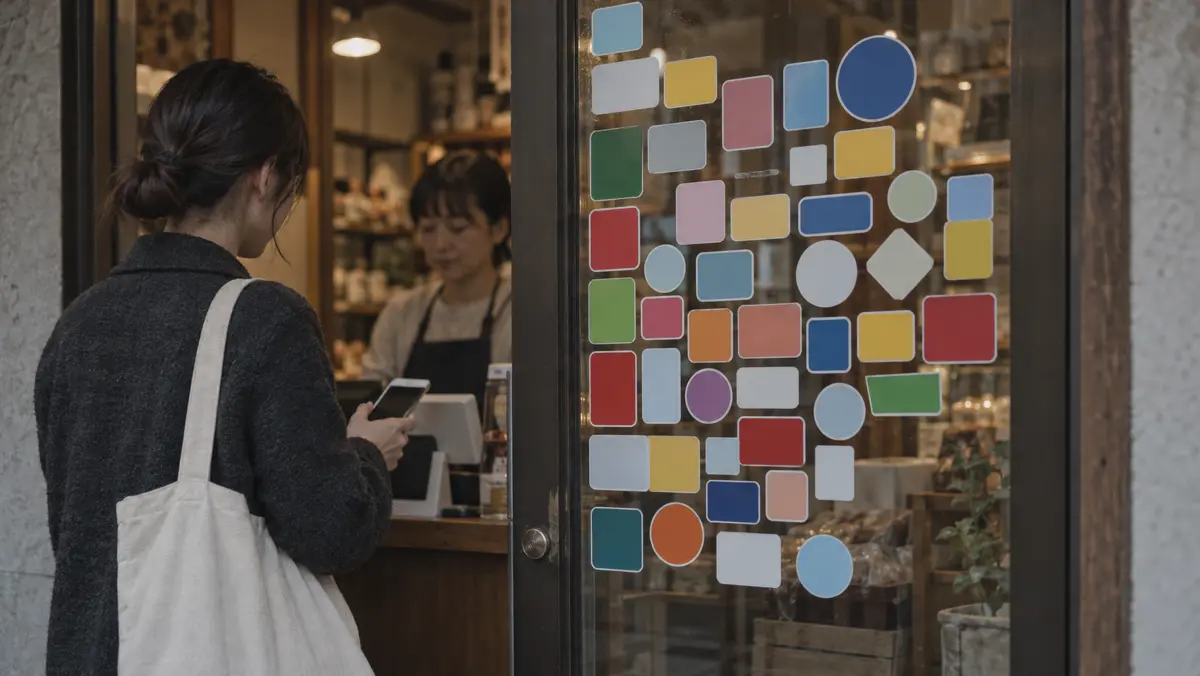
And which card would she take? Japan did not build one way to tap. It built dozens: train cards like Suica and PASMO, store money, phone codes, credit cards with their own tap systems. At the Osaka Expo in 2025, around seventy payment brands were accepted. Payment companies now sell one terminal that takes dozens. It is still a contract, a fee and another screen to check at closing time. Cash is the one system her machine already takes.
Ten Billion Yen in Ten Days
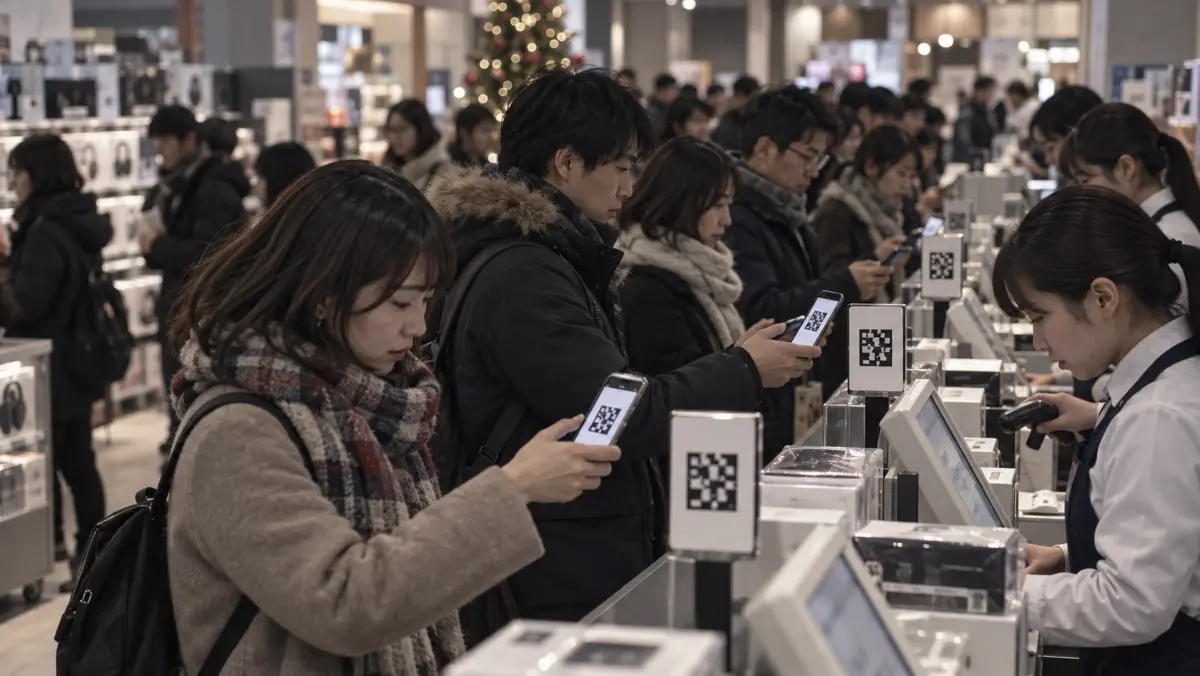
Somebody did try to buy their way in. In December 2018, a phone payment app called PayPay launched a ten-billion-yen giveaway. The money ran out in ten days. Until late 2021, it charged shops no fee when customers scanned the shop's code. Today it counts seventy-five million registered users. Behind our wrestler, the visitor downloads it. It asks for a Japanese phone number. The visitor puts the phone away and points next door.
The Night the Lights Went Out

September 2018. After a large earthquake, almost all of the northern island of Hokkaido lost power. About six hundred Lawson convenience stores went dark. Many that opened sold by daylight on simple handheld terminals. Card and phone payments often failed. Cash still worked. Japan's disaster advice still says to keep some small notes and coins at home. Earthquakes are not rare in Japan. Neither is the drawer.
A Thinner Envelope
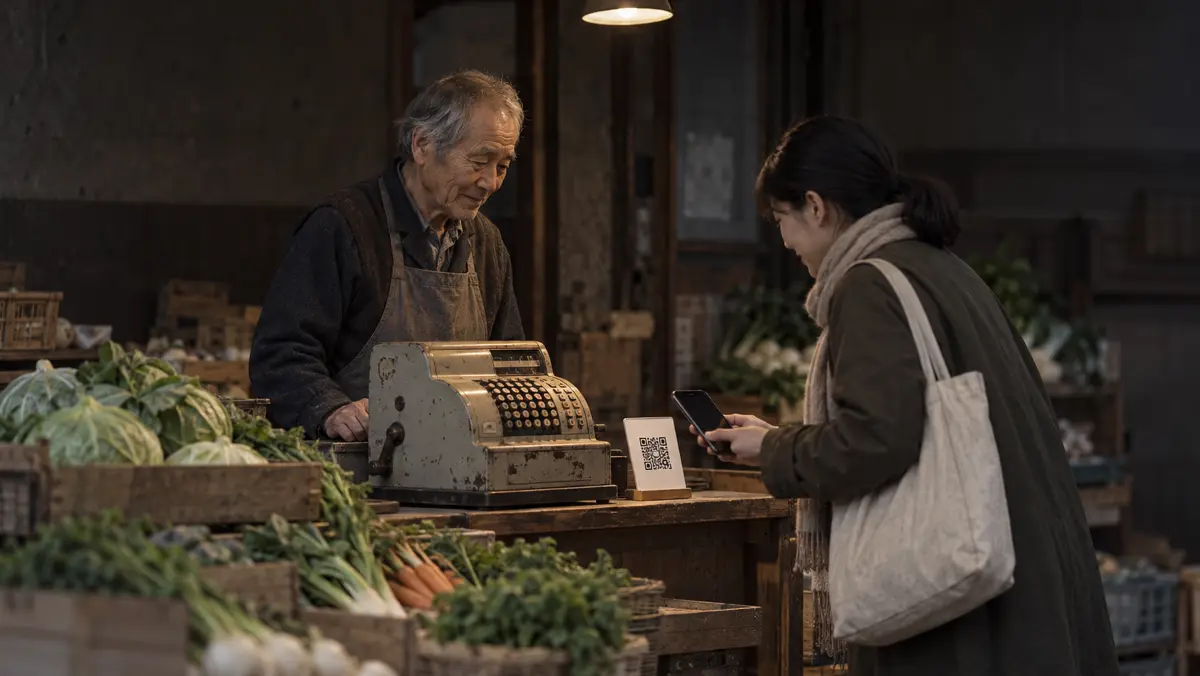
Cash is giving up ground in payments, slowly. Even sumo changed. For each sponsor's banner, the winner used to receive thirty thousand yen in cash on the ring. Since May 2025, each envelope has held ten thousand. Fifty thousand goes into his account. That is why our wrestler has exactly one note.
If you visit
What to carry: cash and cards in Japan
What should a visitor carry? A transit card for trains, convenience stores and many machines, or an iPhone with one inside; many foreign Android phones cannot hold one yet. And several thousand-yen notes, with a small coin purse. Get yen from a convenience-store cash machine, or a post-office one in opening hours; look for your card's logo. If the screen asks, choose yen; it is usually cheaper. Break a big note on something small at a convenience store, and ask for thousand-yen notes. If there is a little tray, put your money there. If the clerk points to a machine, feed it yourself. Our wrestler does exactly that next door, with a bottle of water. When the clerk holds out the change, he takes it with three small chops, out of habit. Two tickets drop out of the machine. One for the largest bowl. One for the visitor.
Useful on your trip
Enjoyed the story? Sophie answers a new question about Japan every few days on YouTube.
Subscribe on YouTube

