 Why Japan?
Why Does Japan Keep Producing Baseball Stars?
 Told by Sophie, your guide to Japan
Why does a country smaller than California keep sending stars to America's game? In Japan, thousands of high school teams chase one summer tournament at Koshien, where a single loss ends the season. At sixteen, Shohei Ohtani wrote his goals on a nine-by-nine sheet, and under "luck" he wrote "pick up trash." Japan also has a top league of its own, and in 1995 one pitcher found a way out of it.
The full story
In this story
The Samurai Is a First-Year
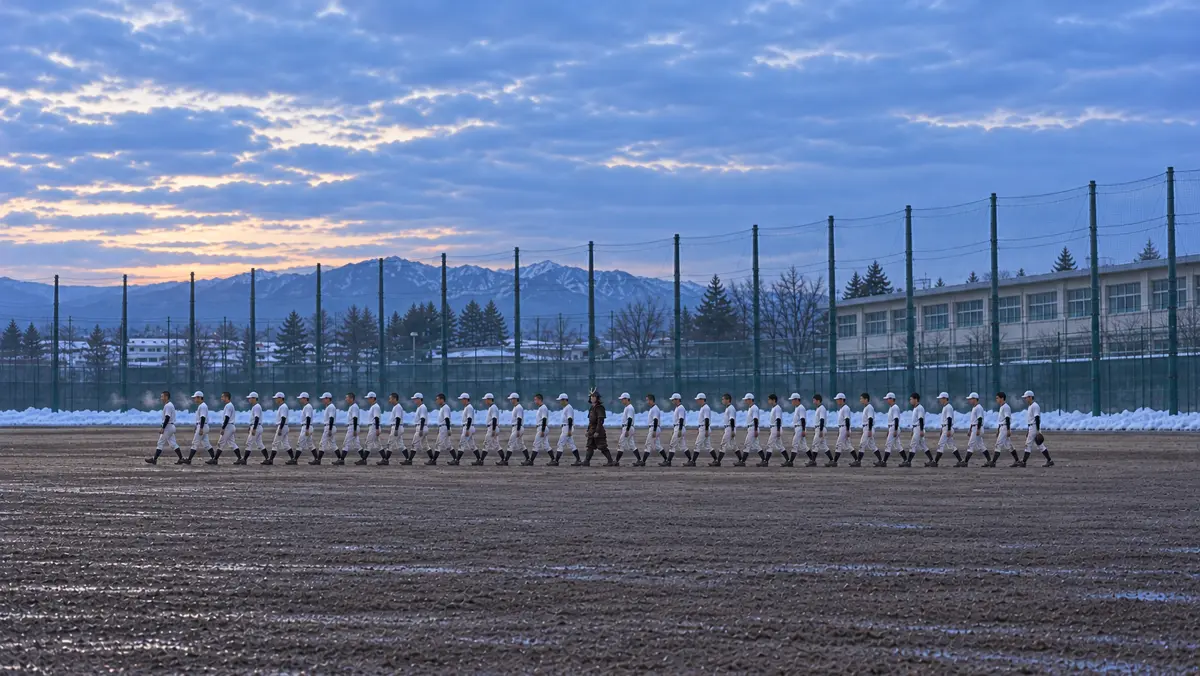
Picture a high school baseball field in northern Japan. Six in the morning. Snow along the fence. Forty boys, some with buzz cuts, walk to the foul line, take off their caps, and bow. Not to the coach. To the field. One of them is a samurai in full armor. Nobody looks at him. He is a first-year. He looks at the bats. Someone hands him a rake. Now put Japan on a map of the United States. Lay it along the East Coast, and it is a thin chain of islands running from Maine down to Florida. All of it together is smaller than California. And from that chain came Shohei Ohtani. Yoshinobu Yamamoto. Munetaka Murakami. They keep coming.
One Tournament, No Second Chance
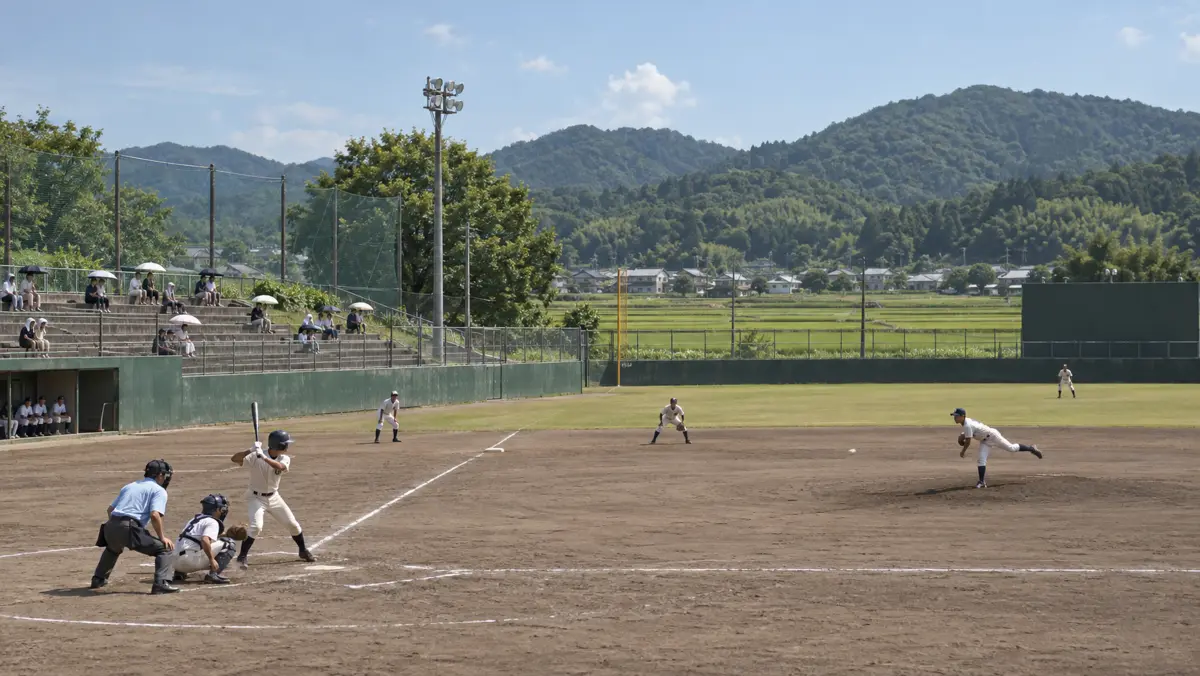
Start with one tournament. In the summer of 2026, more than three thousand three hundred high school teams entered. Forty-nine reached the stadium. Lose one game, and your summer is over. The stadium is called Koshien. A railway company built it in 1924, because the crowds had outgrown everything else. An ox pulled the roller that flattened the field. Every game is shown live across the country, in the hottest weeks of the year.
Dirt in a Bag
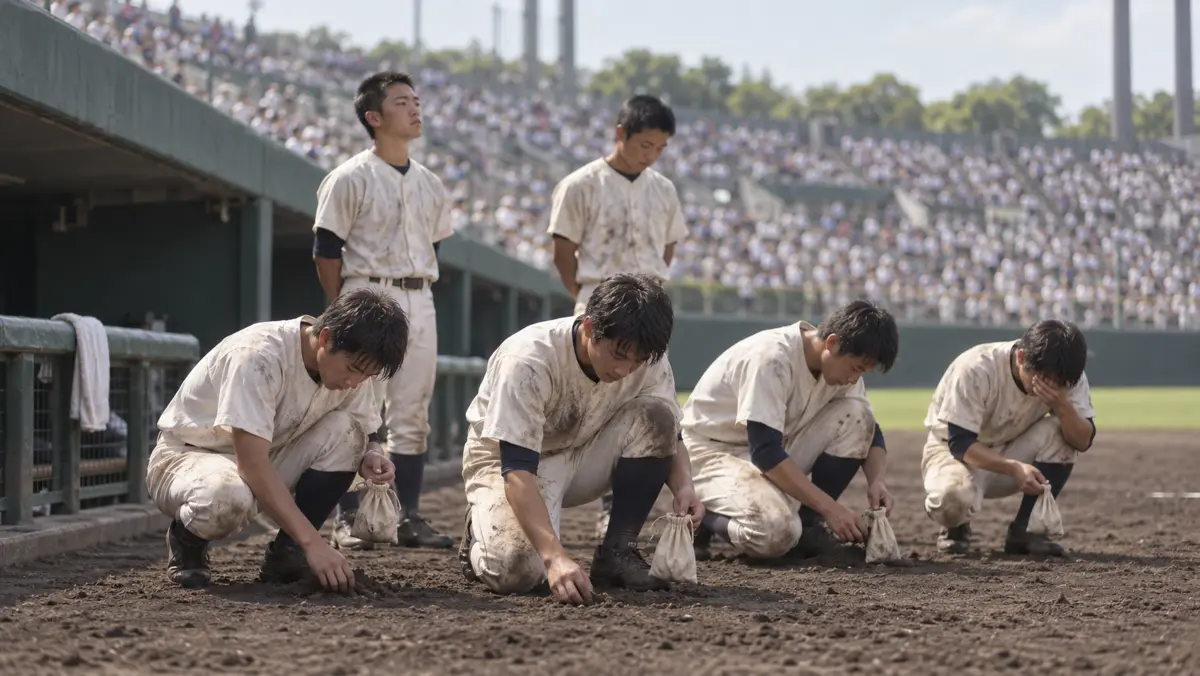
When a team loses at Koshien, many of the players kneel in front of their dugout and scoop the infield dirt into bags to take home. To get there, some teams still use a drill with a name. Senbon knock. A thousand ground balls. It is not always a thousand. Nobody is counting. At a lot of schools, the first-years carry the equipment, everyone cleans, and players bow to the field when they walk on and when they leave. On the frozen field, the samurai has finished raking the infield. He is told to rake it again.
The Cost
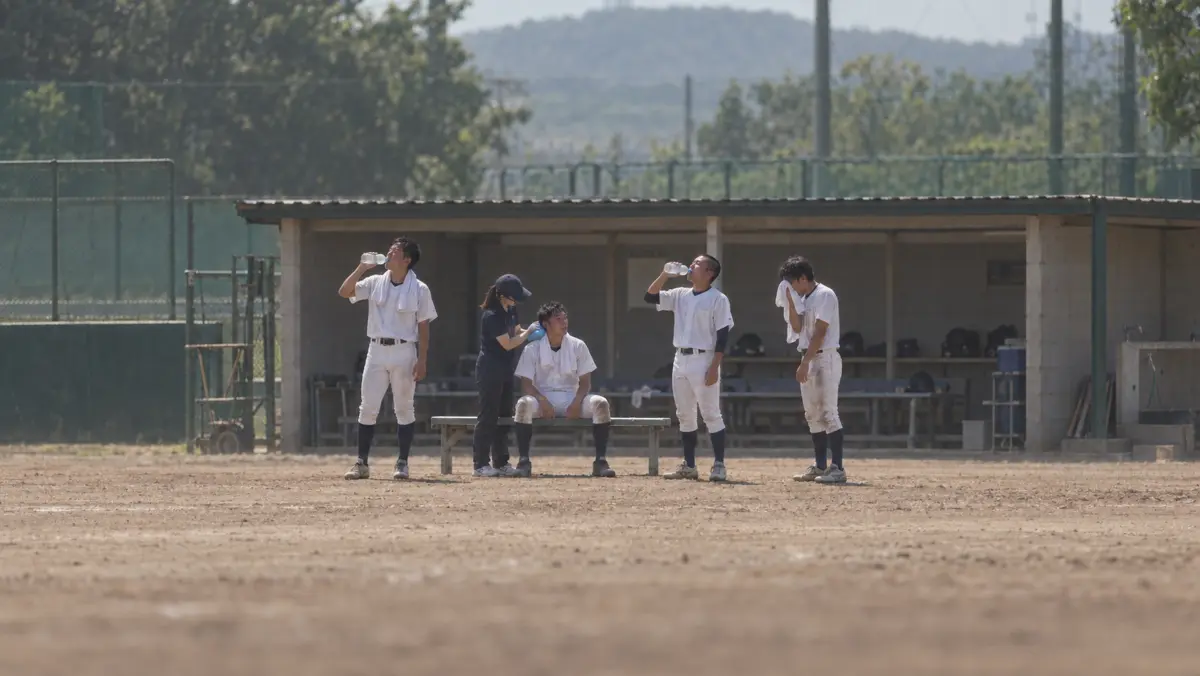
It has a cost, and Japan argues about it. Hours that are too long. Summer heat. Buzz cuts, though those are going. In a 2018 survey, three schools in four required them. Five years later, it was one in four. And teenage pitchers throwing far too much. Since 2020, a high school pitcher may throw no more than five hundred pitches a week in official games. Critics say that is still too many. The samurai is on ground ball nine hundred and something. His armor has a new dent. He bows to the dent.
Iwate
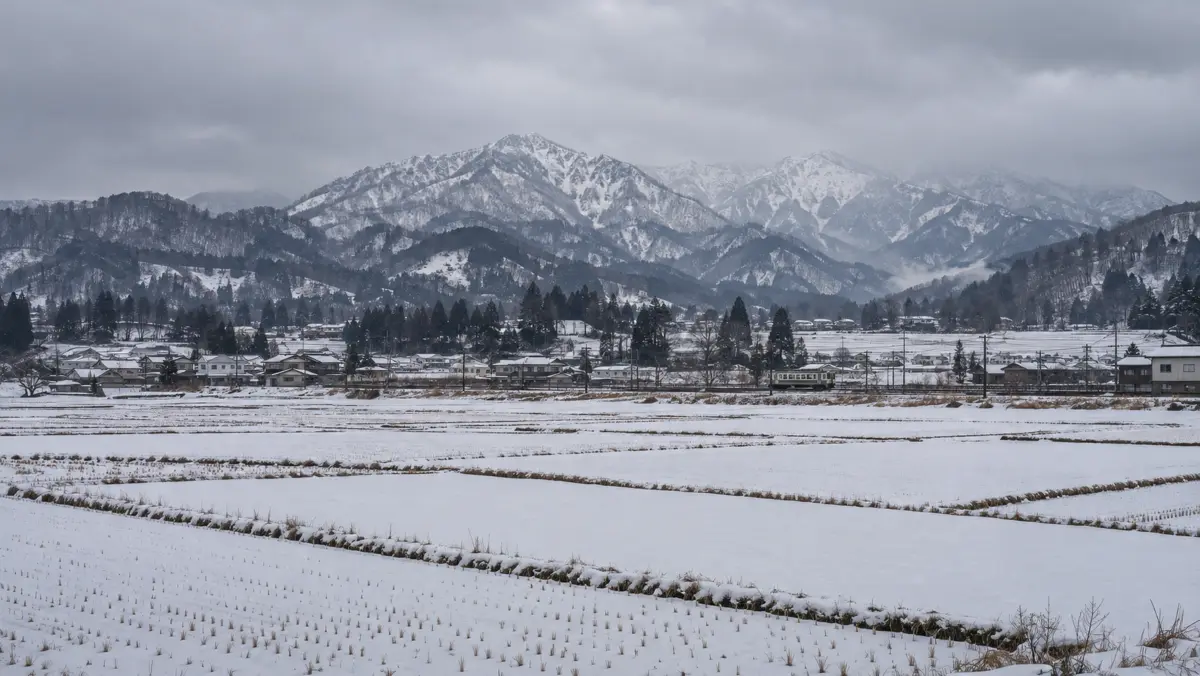
Go north, to Iwate. Mountains, rice and snow, and about a million people. No school from Iwate has ever won at Koshien. In the city of Hanamaki, there is a high school with a baseball coach named Hiroshi Sasaki. In Ohtani's time, he had every new player fill in a sheet of paper. Nine squares by nine. In the middle, you write the one thing you want. Around it, the eight things you need to get there. Around each of those, eight things you will actually do.
Luck Is a Chore
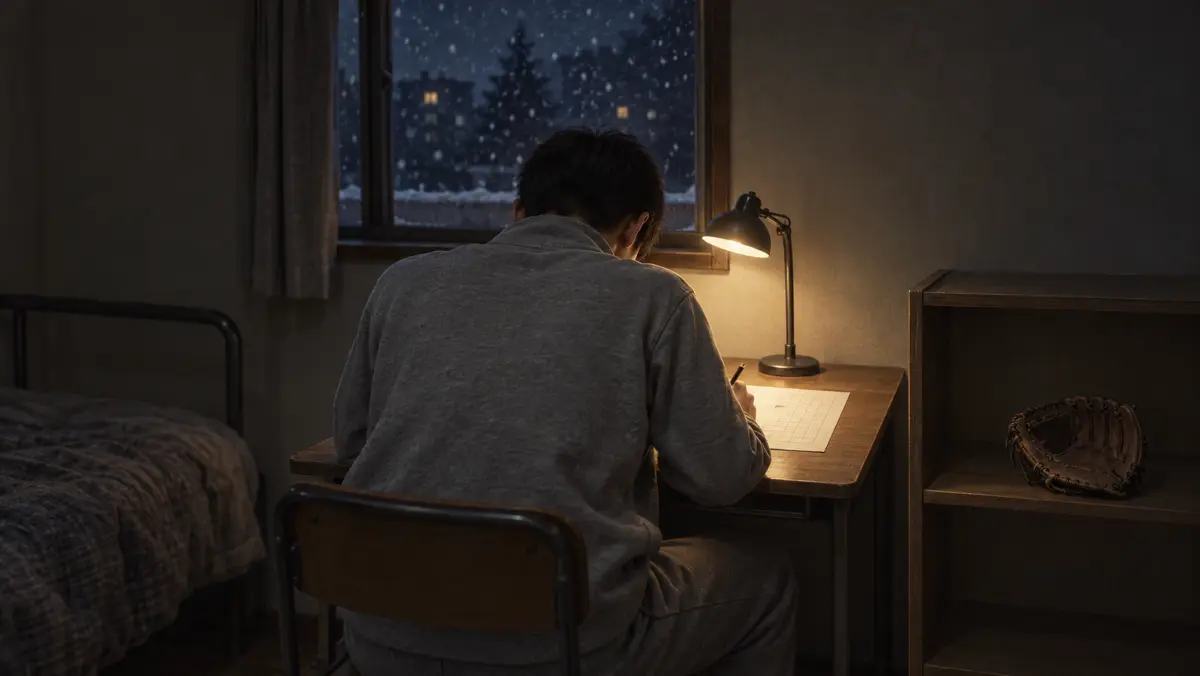
In December of 2010, a tall first-year named Shohei Ohtani filled in his sheet. In the first round of Japan's draft, several teams can name the same player. In the middle, he wrote that he wanted eight of them. Around it he wrote body, control, sharper pitches, breaking balls, character, mental strength, and a fastball of one hundred sixty kilometers an hour. That is ninety-nine miles an hour. And luck. Under luck, he listed what he would do. Greet people. Clean his room. Be respectful to umpires. Read books. Think positively. Take care of his equipment. Be someone people want to cheer for. Pick up trash. He was sixteen, and he had decided that luck was a chore.
What Happened to the Sheet
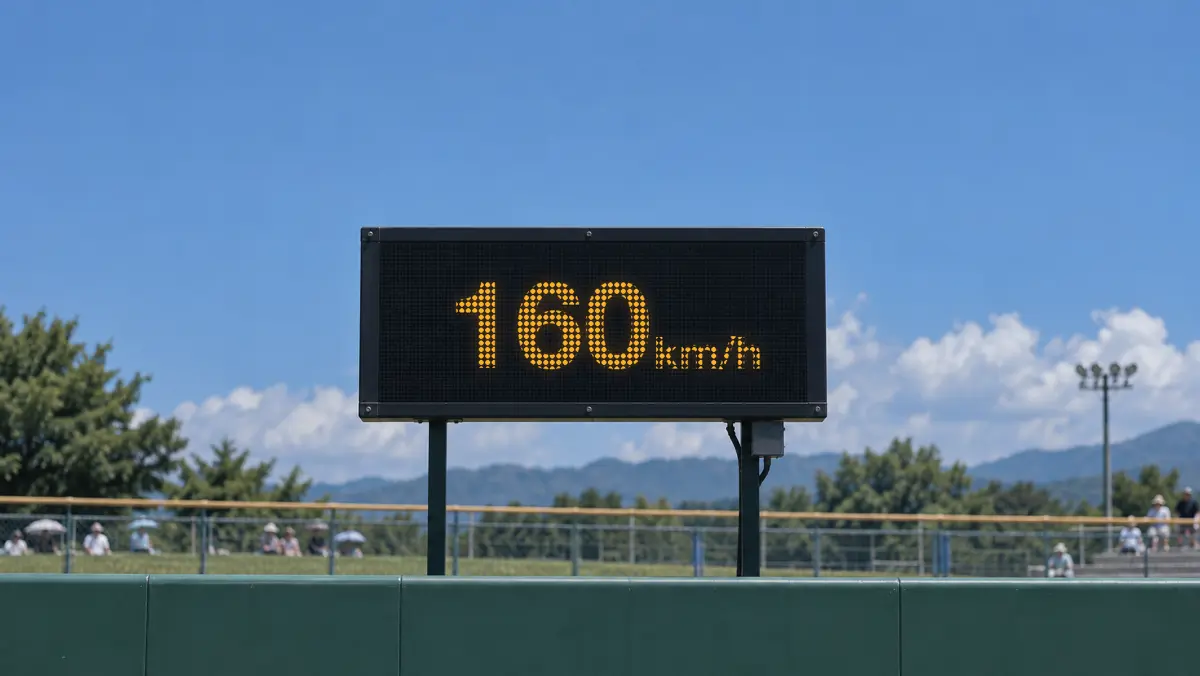
Two summers later, he threw that fastball. One hundred sixty. Then his team lost the Iwate final, and he did not reach Koshien that summer. And the eight teams? He said he was going straight to America. One team drafted him anyway. In the major leagues, cameras have caught him more than once bending down to pick up a scrap of trash and put it in his pocket. If you have seen our episode on why Japan has so few trash cans, that pocket will look familiar. The samurai has filled in a sheet of his own. In the middle, he has written one word. Bat.
Japan's Own Major League
Japan has a top league of its own. Twelve teams, big crowds, and roots going back to 1936. The team that drafted Ohtani promised to let him both pitch and hit. He stayed five years, and won a championship. Yamamoto was a fourth-round pick. In Japan, he won the award for the best pitcher in the country three years running. Murakami hit fifty-six home runs in one season, at twenty-two. None of them came to America untested. They came proven.
The Retired Rookie

There was one more thing in the way. A Japanese club could keep a player's rights, and refuse to let him go. For decades, almost nobody crossed. Then, in 1995, a pitcher named Hideo Nomo used a gap in the rules. He retired. A retired player could not sign with another Japanese club. But the rules said nothing about America. He joined the Los Angeles Dodgers. His wind-up turned his back to the batter. It was called the tornado. The retired pitcher was Rookie of the Year.
The Line
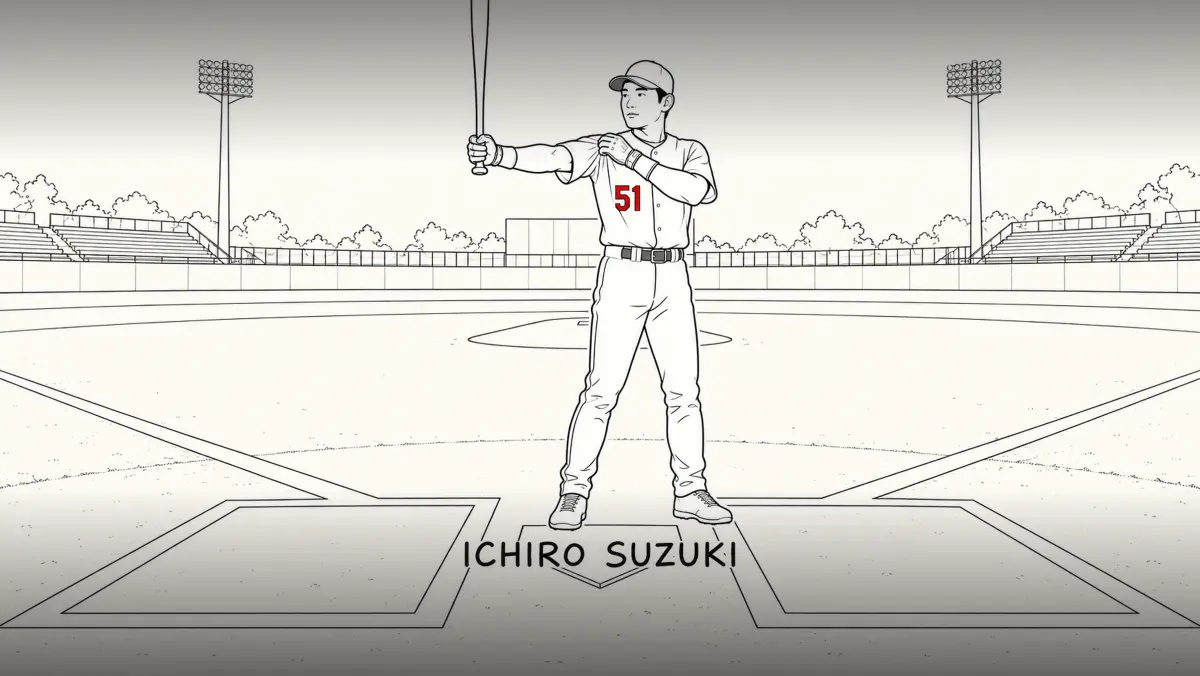
After Nomo, the rules were rewritten, and the line began. Ichiro Suzuki. Rookie of the Year and Most Valuable Player, in his first American season. Hideki Matsui. Most Valuable Player of a World Series. Yu Darvish. Then Ohtani, who pitches and hits, and has been voted Most Valuable Player again and again. Then Yamamoto, Most Valuable Player of a World Series too. On the frozen field, practice is over. The boys take off their caps. The samurai takes off his helmet. They bow to the field.
Small Enough to See the Road
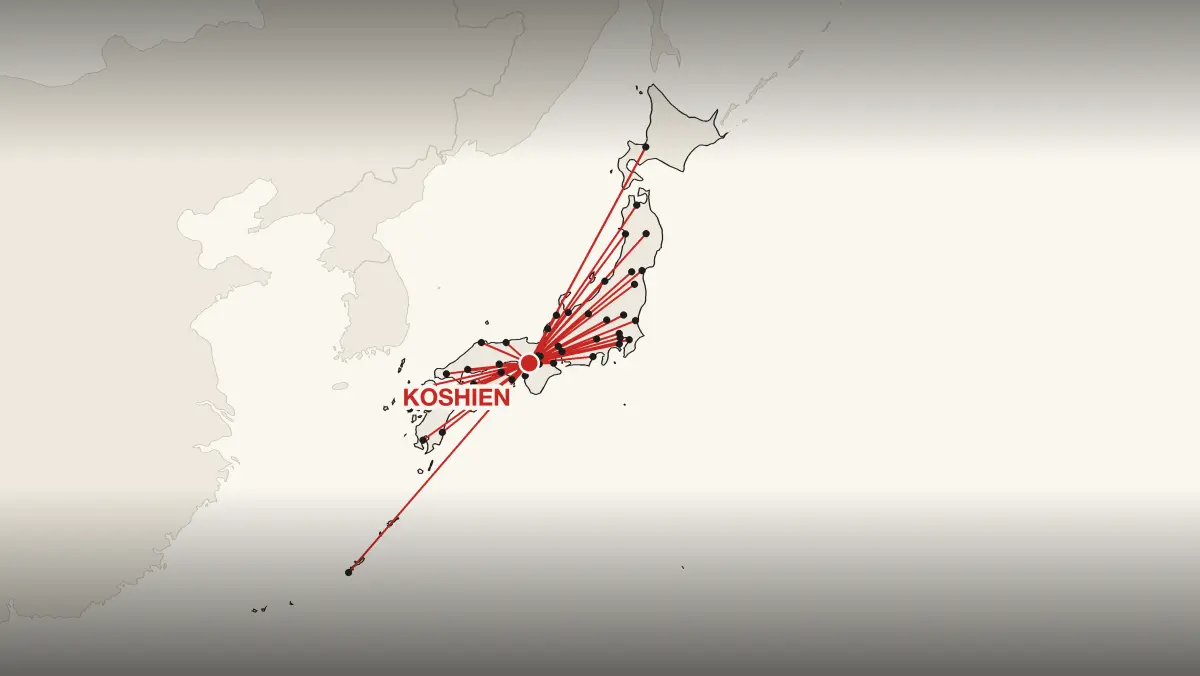
Go back to the map. On that thin chain of islands, thousands of teams point at one stadium. A boy in the snow in Iwate grows up watching it on television every summer. He knows the first step. Then there is a league at home where he can prove himself. Then a door that Nomo pushed open in 1995. America has many roads. Japan may be small enough that a boy can see the whole of one. Ohtani wrote his next step on a sheet of paper at sixteen.
If you visit
Going to a baseball game in Japan
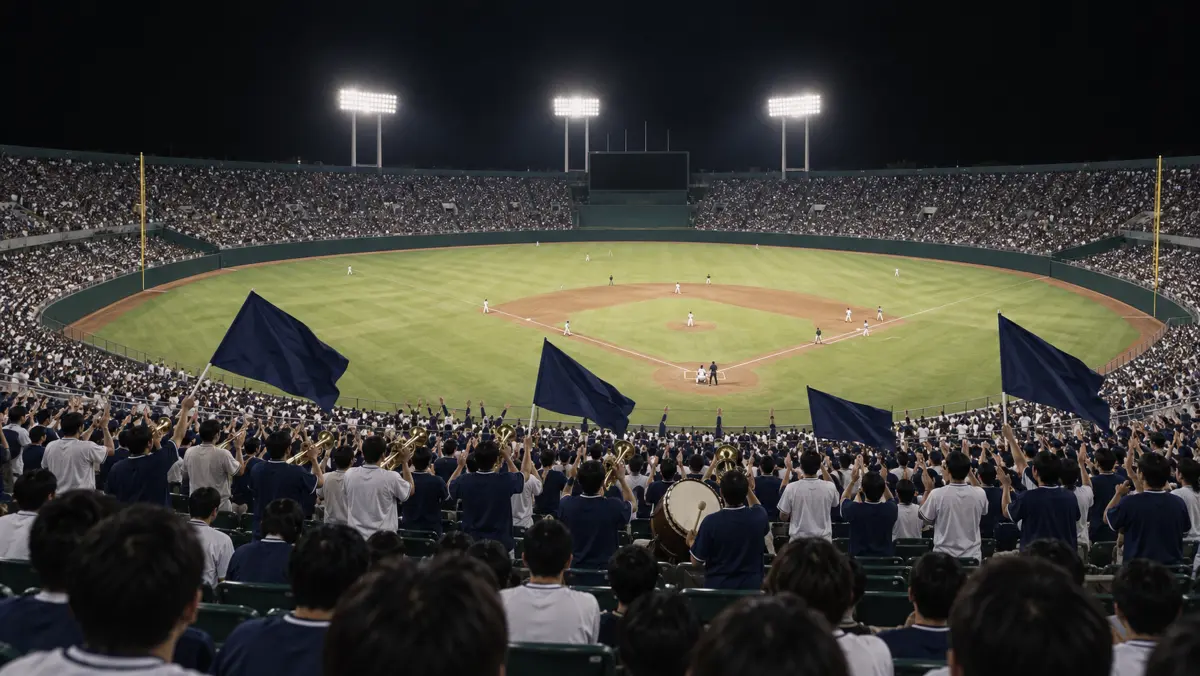
You can see where they come from. The summer tournament at Koshien runs through much of August. For a professional game, the season runs from late March into October. Choose your seat with care. In the cheering sections, most batters have their own song, with trumpets and drums, and you may be on your feet for most of it. Vendors climb the steps with a keg of beer on their backs. The samurai's school reached Koshien, and lost in the first round. Some of the boys kneel and fill their bags with dirt. He has no bag. He fills his helmet.
Where to see it
- Koshien Stadium, Hyogo — Home of the national high school baseball tournaments, where losing teams scoop up the dirt. Google Maps
Enjoyed the story? Sophie answers a new question about Japan every few days on YouTube.
Subscribe on YouTube

