 Why Japan?
Why Is Wagyu So Expensive?
 Told by Sophie, your guide to Japan
Wagyu is one of the most famous and expensive foods in the world. Sophie looks at why it came from Japan: the fat that makes it tender, cattle that worked the rice fields for a thousand years, a single bull born in 1939 that appears in nearly every Japanese Black family tree, the strict rules behind Kobe beef, and how wagyu cattle ended up in America and Australia.
The full story
In this story
A Sumo Wrestler at the Teppanyaki Counter
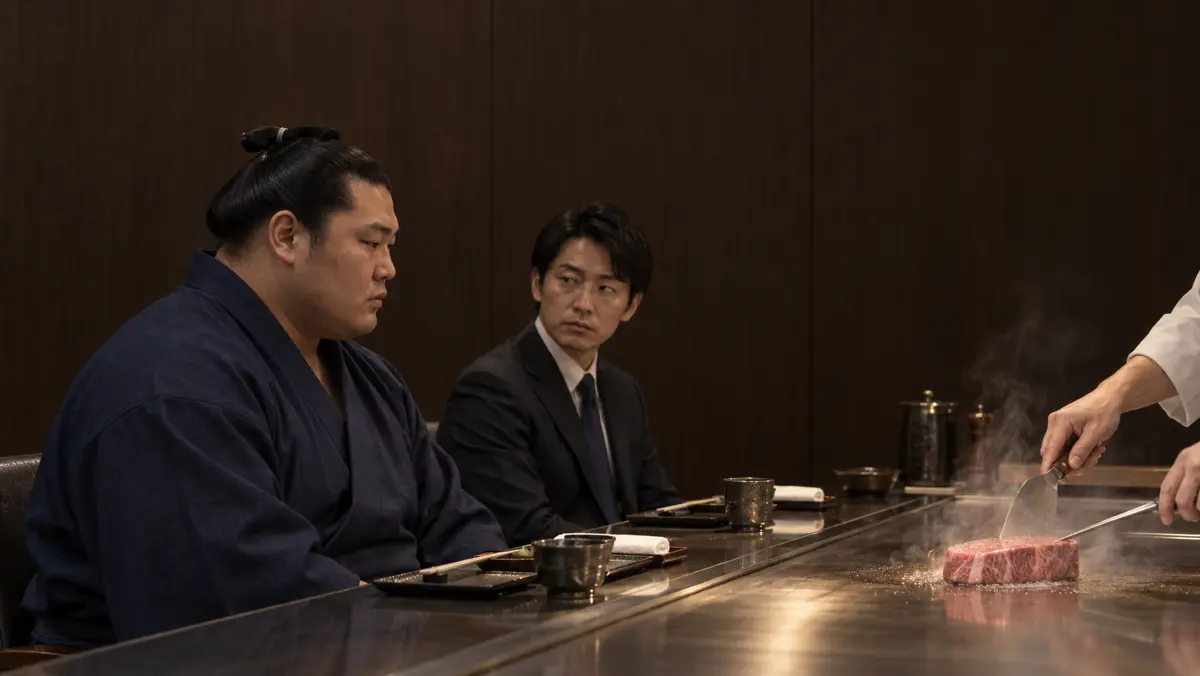
Picture a sumo wrestler at a teppanyaki counter in Tokyo. The beef on the iron is laced with white fat, like frost on a window. In Japanese, that lacing has a name: shimofuri. Fallen frost. Two hundred years ago, he would probably not have touched it.
A Thousand Years of Working Cows
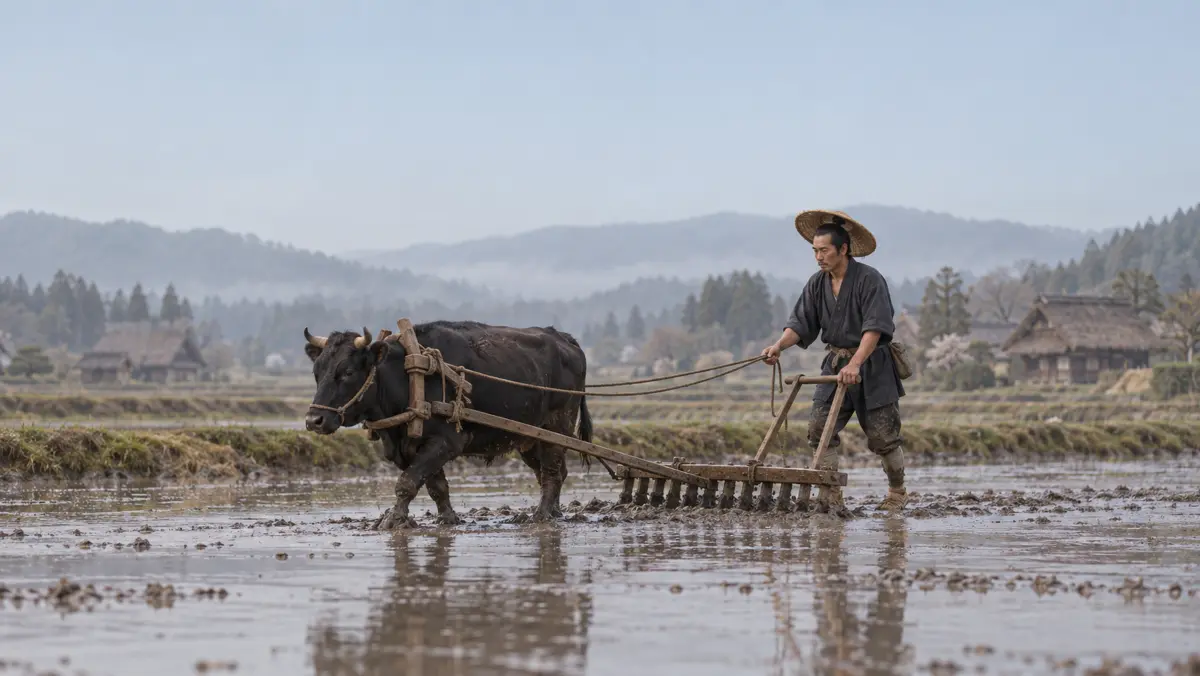
For more than a thousand years, cattle in Japan had a different job. They pulled plows and carried loads. Eating them was frowned upon. In 675, an emperor's order banned eating cattle, horses and a few other animals during the farming months. Later rules, Buddhist teaching, ideas of impurity and plain good sense did the rest. A cow was a coworker, not a meal.
Beef as "Medicine"
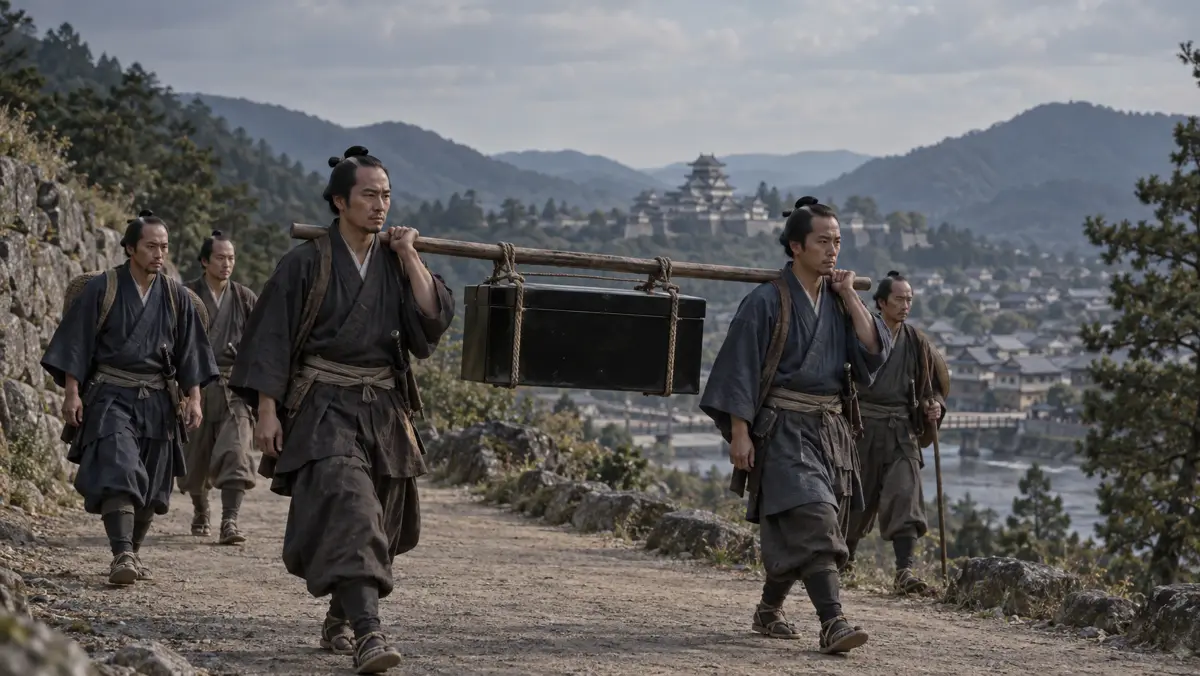
Not everyone obeyed. In the Edo period, the Hikone domain, in today's Shiga, sent beef pickled in miso to the shogun's household. Officially, it was medicine. Then, in 1872, it was publicly reported that the emperor himself had eaten beef. Beef hot pots became the fashionable new food of the cities.
From Plow to Plate
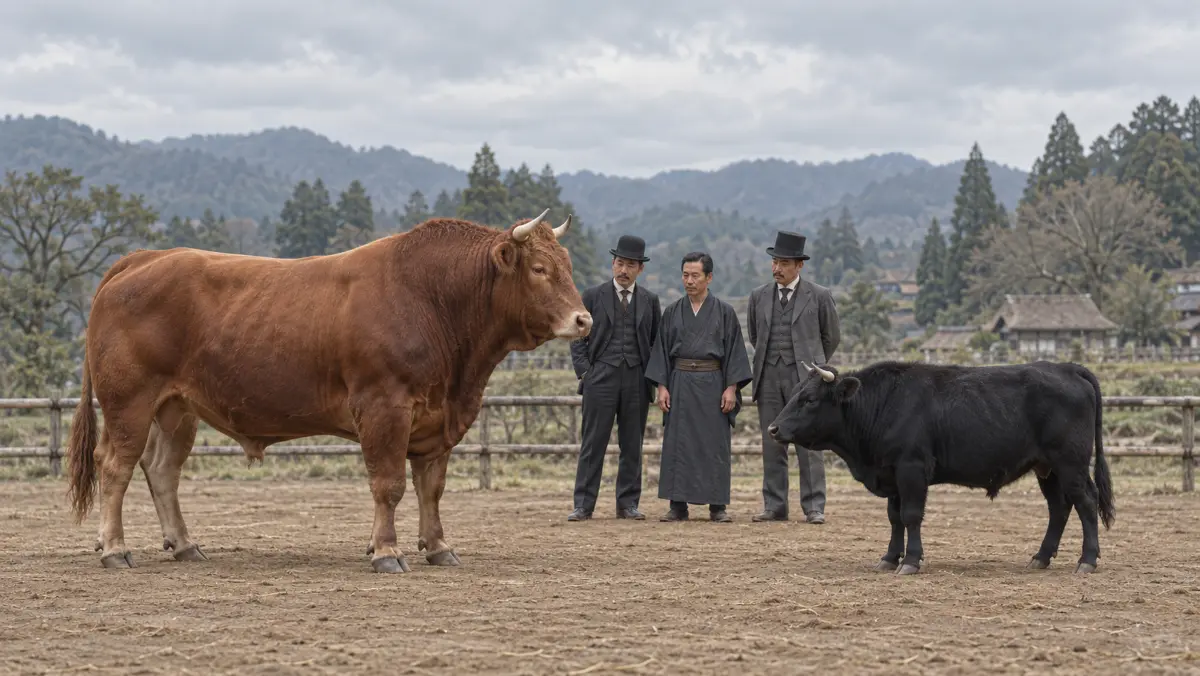
The new beef-eating country wanted bigger cattle. Around 1900, the government crossed native cattle with Western breeds. It did not go well. The crosses often brought poorer meat and weaker workers, so the crossing was abandoned, and breeders began refining the cattle already in Japan. In 1944, the Japanese Black was recognized as a breed. Then, in the decades after the war, machines slowly took over the fields. The coworker lost its job. Breeding turned toward beef, and marbling became a top priority.
Where the Tenderness Comes From
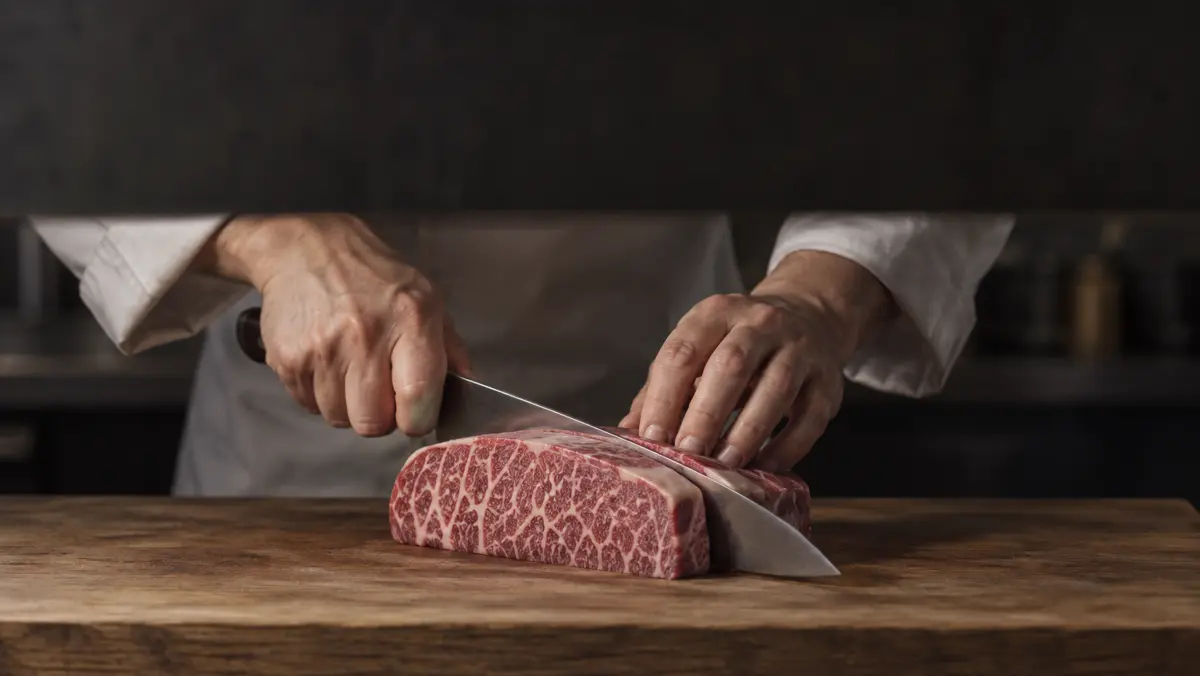
Much of the tenderness comes from that fat. In most beef, fat sits around the muscle. In wagyu, it threads through the muscle itself, in fine white lines. Japanese graders score it on a twelve-point scale. And fat from Japanese Black cattle tends to melt at a lower temperature than ordinary beef fat, softening at around the warmth of your mouth. The famous A five is two grades in one: A for how much usable meat the carcass yields, and five for quality, the top mark.
One Bull and Kobe Beef
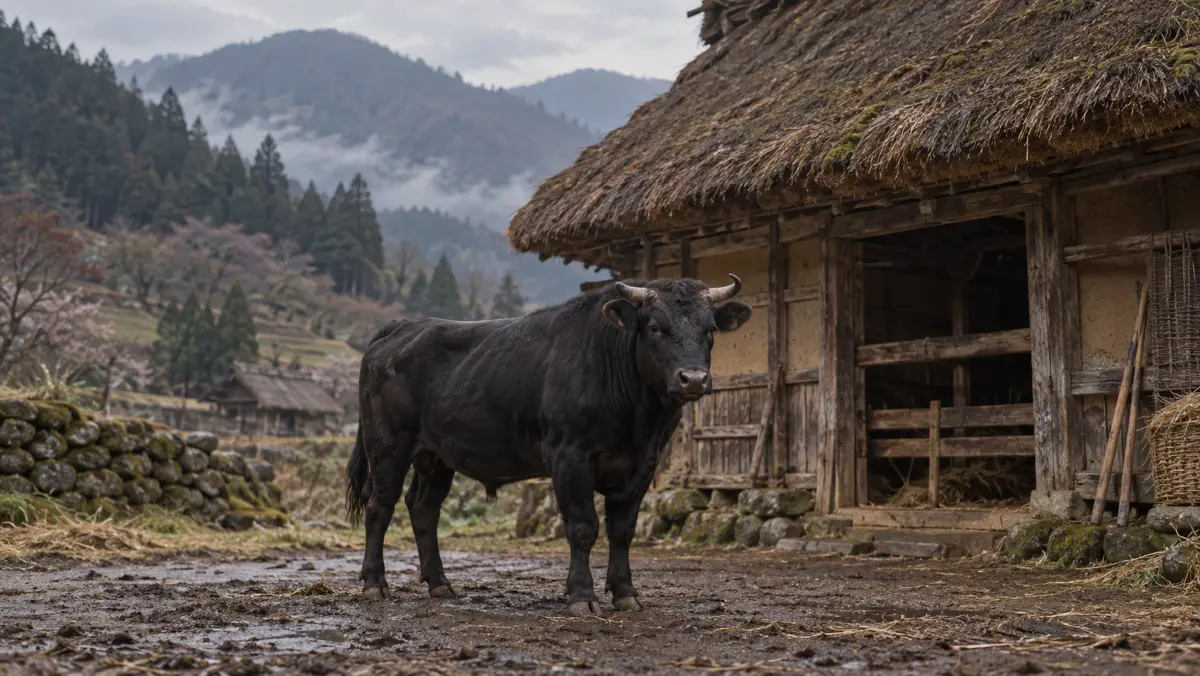
And the marbling has a family tree. In 1939, a bull named Tajiri was born in the Tajima region of Hyogo, where breeders had kept their bloodlines unusually isolated. Today, Tajiri appears in the family tree of nearly all registered Japanese Black breeding cows. One bull. Almost the entire herd. Tajima cattle are also the only cattle that can become Kobe beef. To earn the name, they must meet strict rules for where they are raised, their age, their marbling, their meat quality and their weight. In recent years, fewer than seven thousand a year have qualified.
Kobe on the Menu
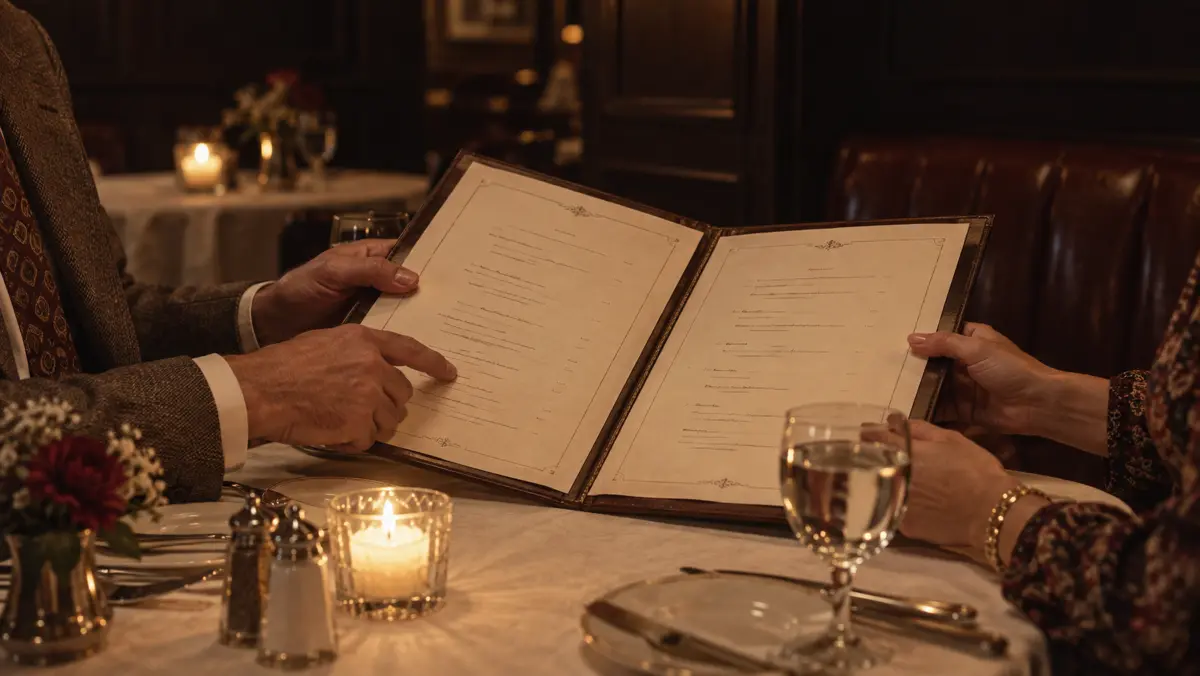
In 1978, Joe and Pam Bryant named their newborn son after Kobe beef. The world came to know him as Kobe Bryant. For years, Kobe beef was a name widely used abroad for beef that never met Japan's official Kobe standards. The name traveled far faster than the meat.
What "Wagyu" Really Means
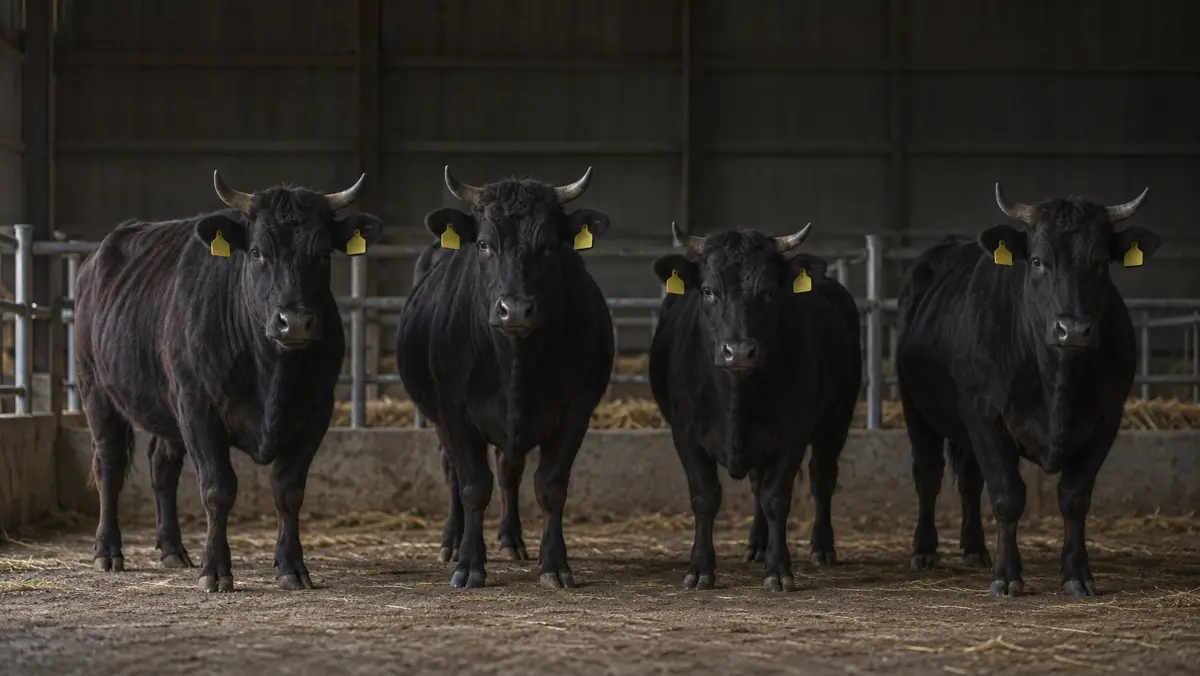
At home, the name wagyu is protected. In Japanese, it simply means Japanese cattle. But the label belongs only to four recognized breeds and crosses between them, born and raised in Japan, with records to prove it. Well over ninety percent are a single breed, the Japanese Black. A word that means Japanese cattle can come from a ranch in Texas.
Wagyu Goes Abroad
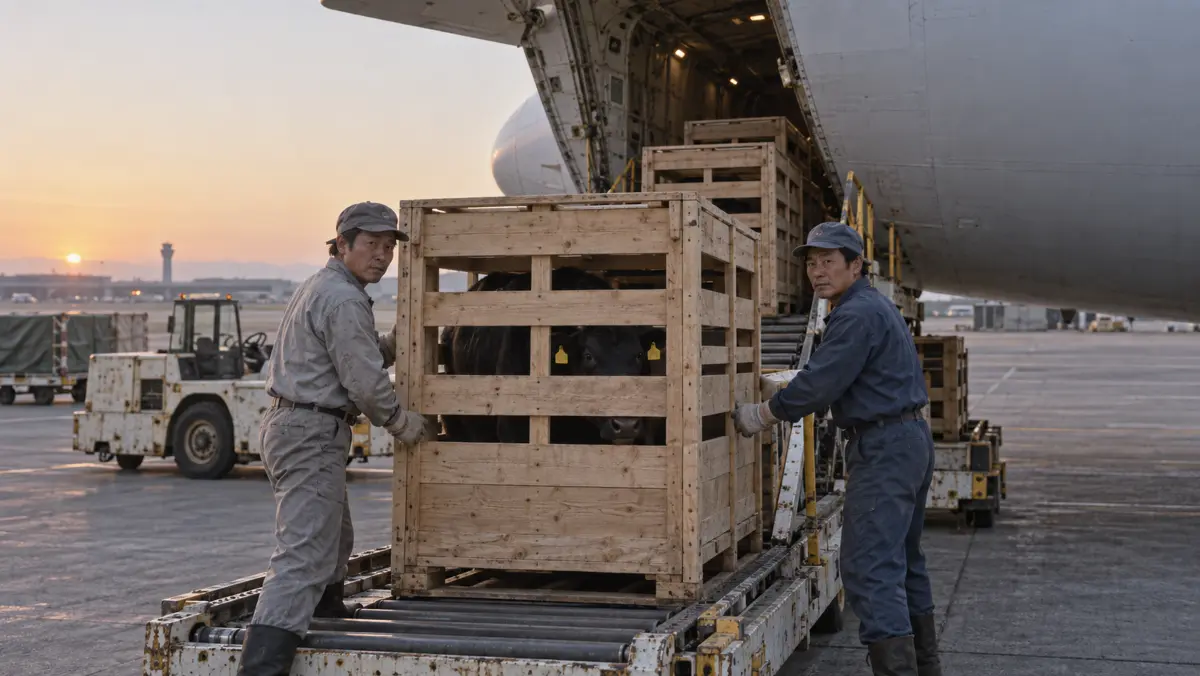
In 1976, four wagyu bulls were shipped to the United States. More cattle followed in the 1990s, with thousands of doses of frozen semen. Their descendants, often crossed with Angus, became the wagyu herds of America and Australia. After the late 1990s, new exports largely stopped. And after an attempt to smuggle wagyu semen and embryos to China, Japan tightened its laws to protect its cattle genetics in 2020.
How Wagyu Are Raised
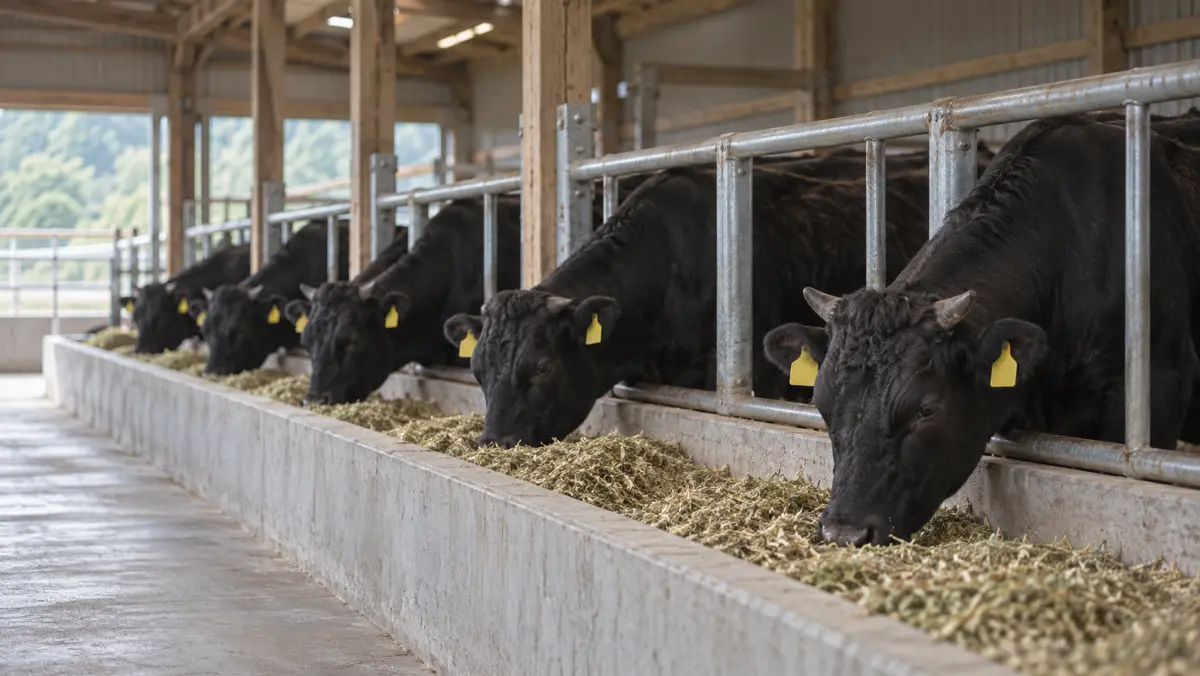
Wagyu are raised slowly. Many Japanese Black cattle are finished at around twenty-seven to thirty months, longer than typical grain-fed cattle in places like the United States. The feed is rich, and carefully timed. And every head of cattle in Japan has a ten-digit ID number. With it, anyone can look up where the animal was born, and where it was raised.
Beer and Massages?
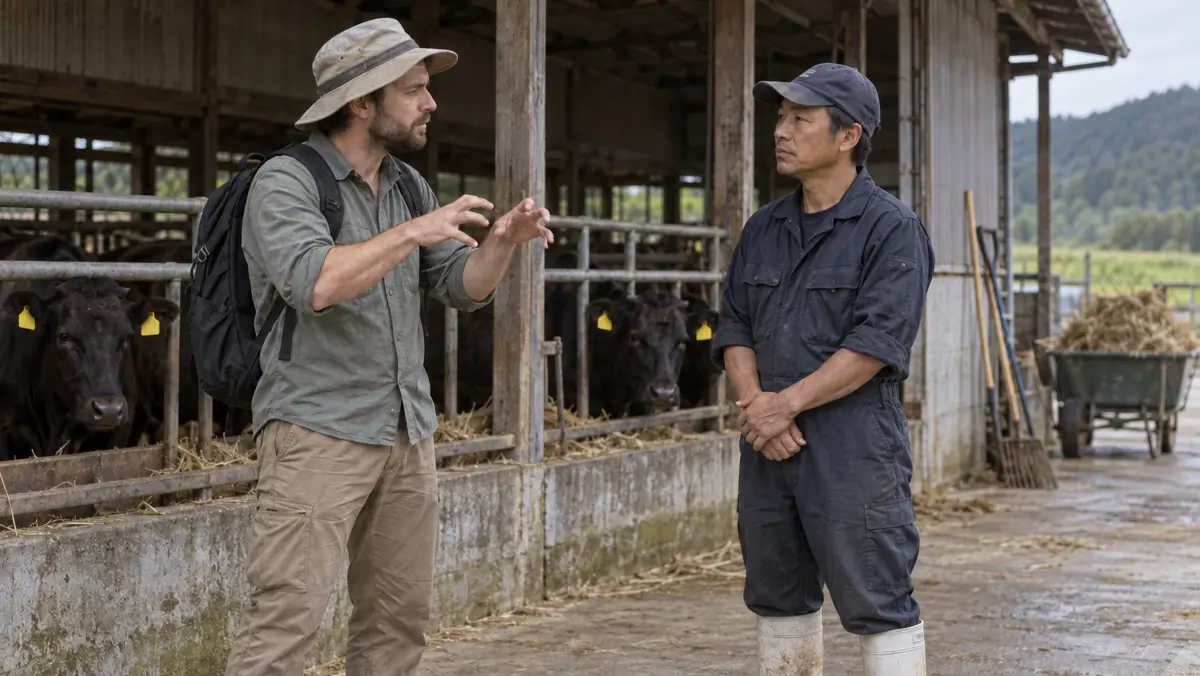
A few farmers have reportedly used beer in hot summers, or rubbed their cattle down. But neither is a requirement for wagyu, or for Kobe beef. The cattle are not living in a spa. The marbling comes mainly from genes, and from long, careful feeding.
If you visit
How to order wagyu in Japan
So, a short guide for the hungry visitor. Real Kobe beef is certified, traceable to a single animal, and marked with the nojigiku, a wild chrysanthemum and the flower of Hyogo. And A five is not always the best choice. Some people in Japan prefer a leaner cut, or simply a smaller portion. A great wagyu steak is not meant to be a big meal. It is meant to be a few perfect bites.
Useful on your trip
Where to see it
- Kobe, Hyogo — Home of Kobe beef. Real Kobe beef is certified, traceable to one animal and marked with the nojigiku flower. Google Maps
- Tajima region, Hyogo — Where the bull Tajiri was born in 1939 — he is in the family tree of nearly all Japanese Black breeding cows. Google Maps
- Hikone, Shiga — In the Edo period, the Hikone domain sent beef pickled in miso to the shogun — officially as medicine. Google Maps
Enjoyed the story? Sophie answers a new question about Japan every few days on YouTube.
Subscribe on YouTube

